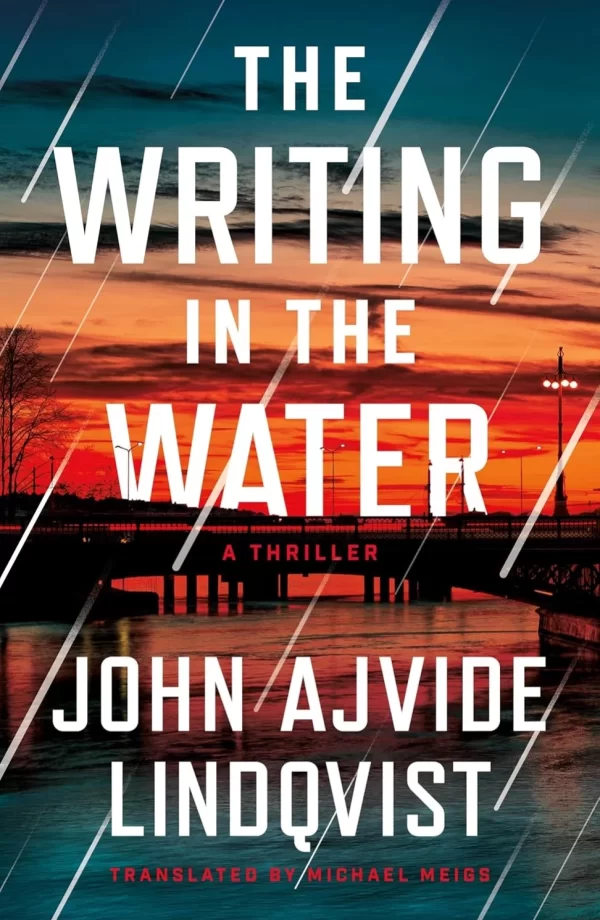
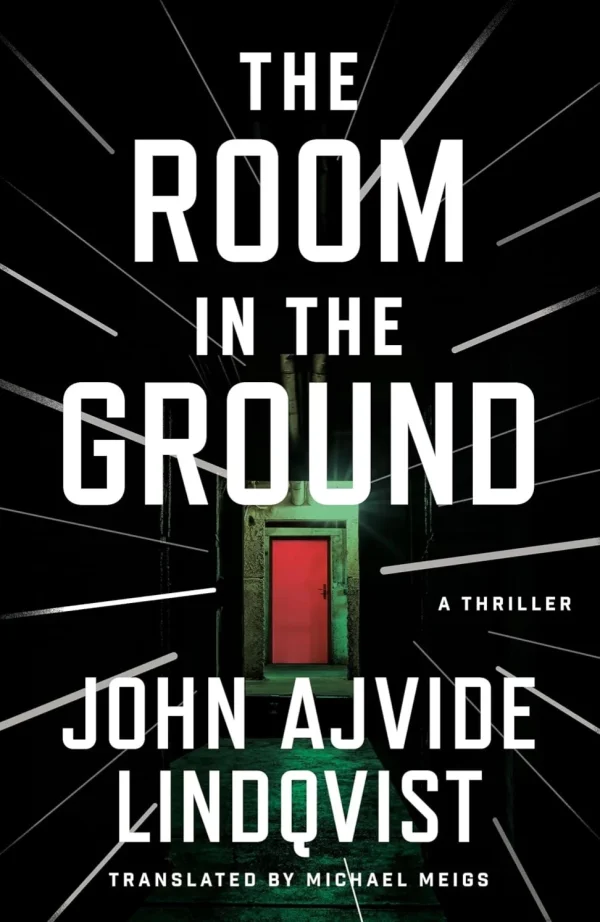
A massacre on a peaceful Swedish midsummer evening brings two unlikely people together: Julia Malmros, a crime writer and former police officer, and Kim Ribbing, a brilliant young hacker whose polished exterior conceals a deeply troubled past. Their investigation begins with murder, but the trail soon stretches far beyond the crime scene into a world of money, politics, corruption, and secrets powerful people would rather leave buried.
John Ajvide Lindqvist's Bloodstorm trilogy trades supernatural horror for contemporary crime, yet it retains much of the darkness that defines his fiction. Violence can erupt suddenly into ordinary life, damaged people make dangerous choices, and moments of grim humor sit beside scenes of genuine unease. The monsters here are human, and their motives are tangled in everything from personal trauma and revenge to ideology and political power.
At the heart of the series is the volatile relationship between Julia and Kim. Eighteen years apart in age and radically different in temperament, they are drawn together by attraction, curiosity, and a shared willingness to cross boundaries. Julia brings the instincts of a former police officer and the perspective of someone accustomed to turning crime into fiction. Kim is secretive, technologically gifted, unpredictable, and carrying wounds that gradually become impossible to keep separate from the cases surrounding them.
The first investigation opens outward, moving from Sweden into an international conspiracy with connections to China, Cuba, Norway, and the politics of carbon emissions. Later, the focus becomes more claustrophobic and personal as Kim's past resurfaces and the distinction between victim, investigator, and perpetrator begins to blur. By the final novel, the story turns toward a fractured contemporary Sweden, where terrorism, political extremism, radicalization, and social division threaten to turn fear into something much larger.
Rather than building the trilogy around a succession of isolated mysteries, Bloodstorm follows consequences. Decisions survive from one book to the next, relationships change under pressure, and secrets accumulate until the characters can no longer pretend that their private lives and the violence they investigate belong to separate worlds.
The result is a Scandinavian crime thriller with the restless energy of an international conspiracy story and the uncomfortable psychological edge of Lindqvist's darker fiction. Beneath the murders and investigations runs a more intimate current, following people trying to understand what has shaped them while discovering how easily love, obsession, justice, and revenge can begin to resemble one another.