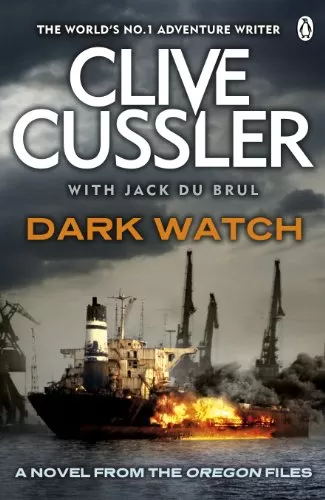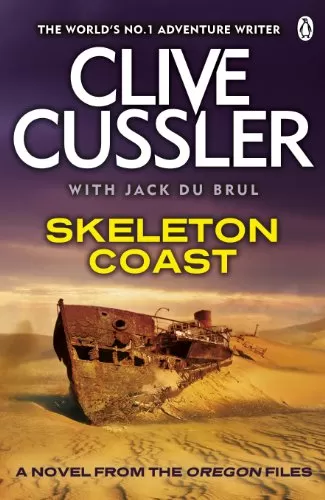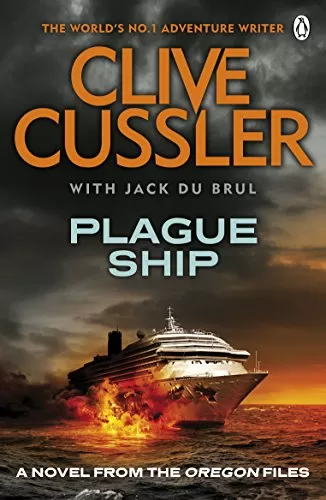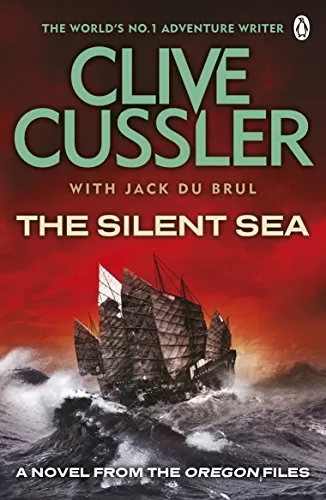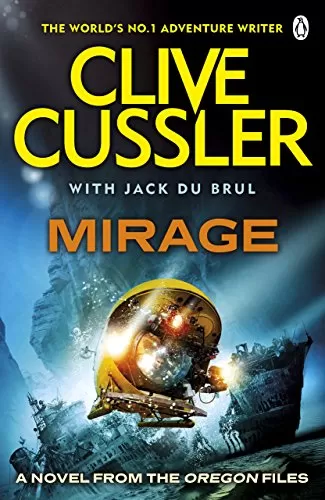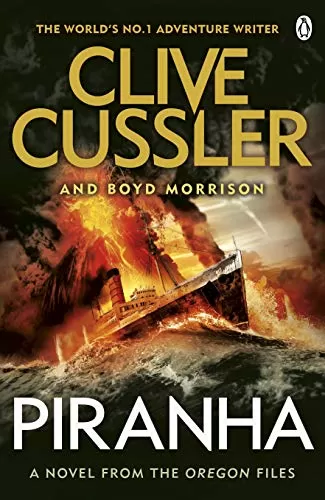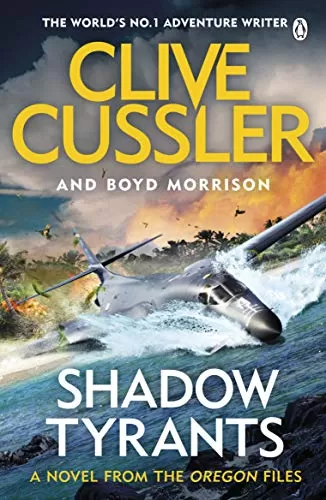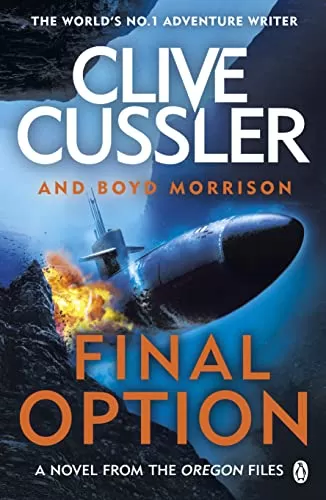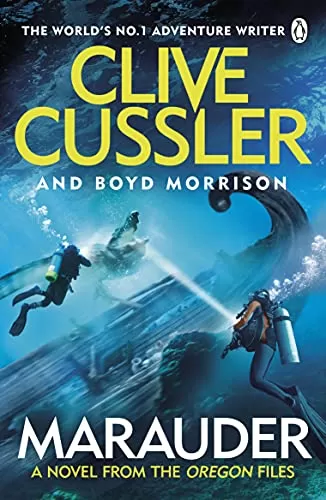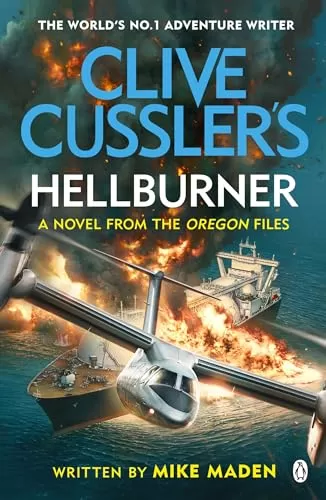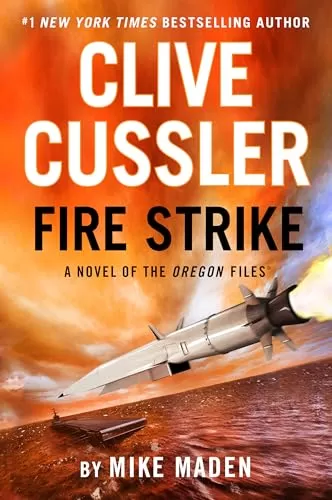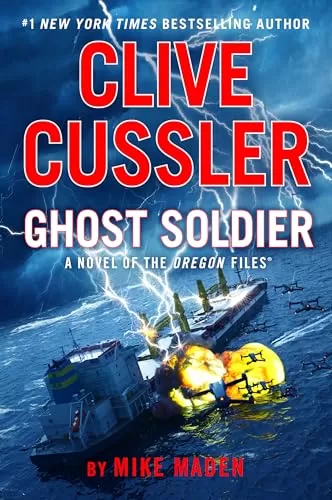
Few ships are as deliberately unimpressive as the Oregon. Rust-streaked, aging, and seemingly barely worth a second glance, she looks like an ordinary tramp freighter drifting from one forgotten port to another. The disguise is the point. Hidden beneath that battered exterior is a remarkably advanced vessel equipped for surveillance, intelligence gathering, high-speed pursuit, and combat, and aboard her is a crew capable of taking on missions that governments would rather keep out of sight.
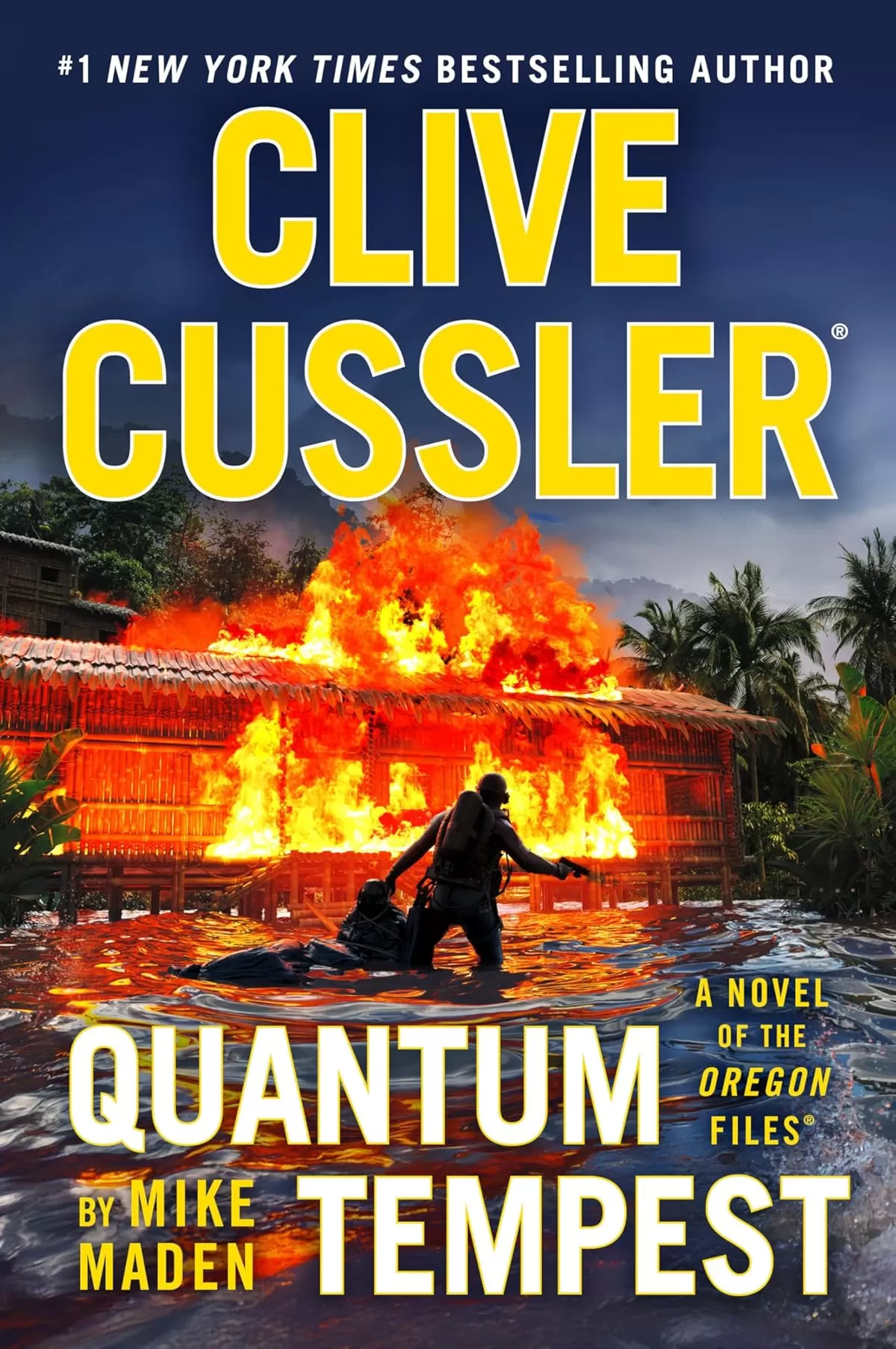
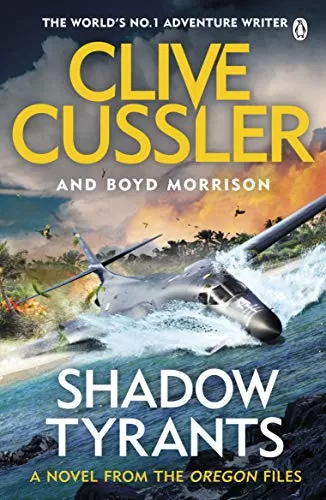
The Oregon Files, created by Clive Cussler and continued in its current era by Mike Maden, is a long-running bestselling adventure series built around Juan Cabrillo and the Corporation, a private organization of former military personnel, intelligence specialists, engineers, technicians, and other highly skilled operatives. Cabrillo serves as its Chairman, but the Oregon is never simply a vehicle for a lone hero. Much of the appeal comes from watching a tightly coordinated crew turn specialized knowledge, elaborate technology, careful planning, and quick improvisation into an advantage against enemies who rarely understand what they are facing until it is too late.
Their assignments carry them across oceans and borders, from hostile ports and isolated islands to war zones, secret facilities, shipwrecks, and some of the world's most politically unstable regions. A mission might begin with a suspicious vessel or an intelligence operation and expand into something capable of shifting the balance of power between nations. Terrorist networks, dictators, criminal organizations, rogue military forces, weapons dealers, and technological threats all find their way into Cabrillo's path.
Yet these are not purely modern military thrillers. One of the series' most characteristic pleasures is the way the past refuses to stay buried. Lost ships, forgotten experiments, wartime secrets, archaeological discoveries, and mysterious events from decades or centuries earlier can provide the missing piece of a present-day conspiracy. That mixture of historical mystery and contemporary espionage gives the novels the distinctive adventure style associated with Cussler's fiction, where discovering what happened long ago can be just as important as surviving what is happening now.
Technology provides the other half of that equation. The Oregon conceals sophisticated weapons and surveillance systems behind her weathered hull, while the threats facing the Corporation have evolved alongside the real world. Later adventures move comfortably through cyberwarfare, drones, artificial intelligence, advanced weapons, and geopolitical conflicts without abandoning the maritime action and historical intrigue that have defined the series from the beginning.
Cabrillo himself sits comfortably in the gray areas created by this world. He is a strategist as much as an action hero, leading an organization that can operate where conventional governments and intelligence agencies cannot. The Corporation may accept dangerous contracts, but money alone does not determine which side it takes. Loyalty to the crew and a personal sense of justice repeatedly shape Cabrillo's decisions, especially when an apparently straightforward assignment reveals consequences far beyond its original objective.
The Oregon Files has remained a fixture of action-adventure fiction for more than two decades, growing from Golden Buddha into a #1 New York Times bestselling series. Different collaborators and successors have guided the adventures over the years, while the central idea has remained remarkably durable: an extraordinary crew hidden aboard an apparently worthless ship, sailing toward problems most people would prefer to avoid.
For readers of maritime thrillers, international espionage, military action, techno-thrillers, and historical conspiracies, the series offers a world where almost anything can be hidden beneath the surface. Sometimes it is a secret buried by history. Sometimes it is a weapon capable of changing the future. And sometimes it is an old freighter that is nothing like what it seems.