
About the Book
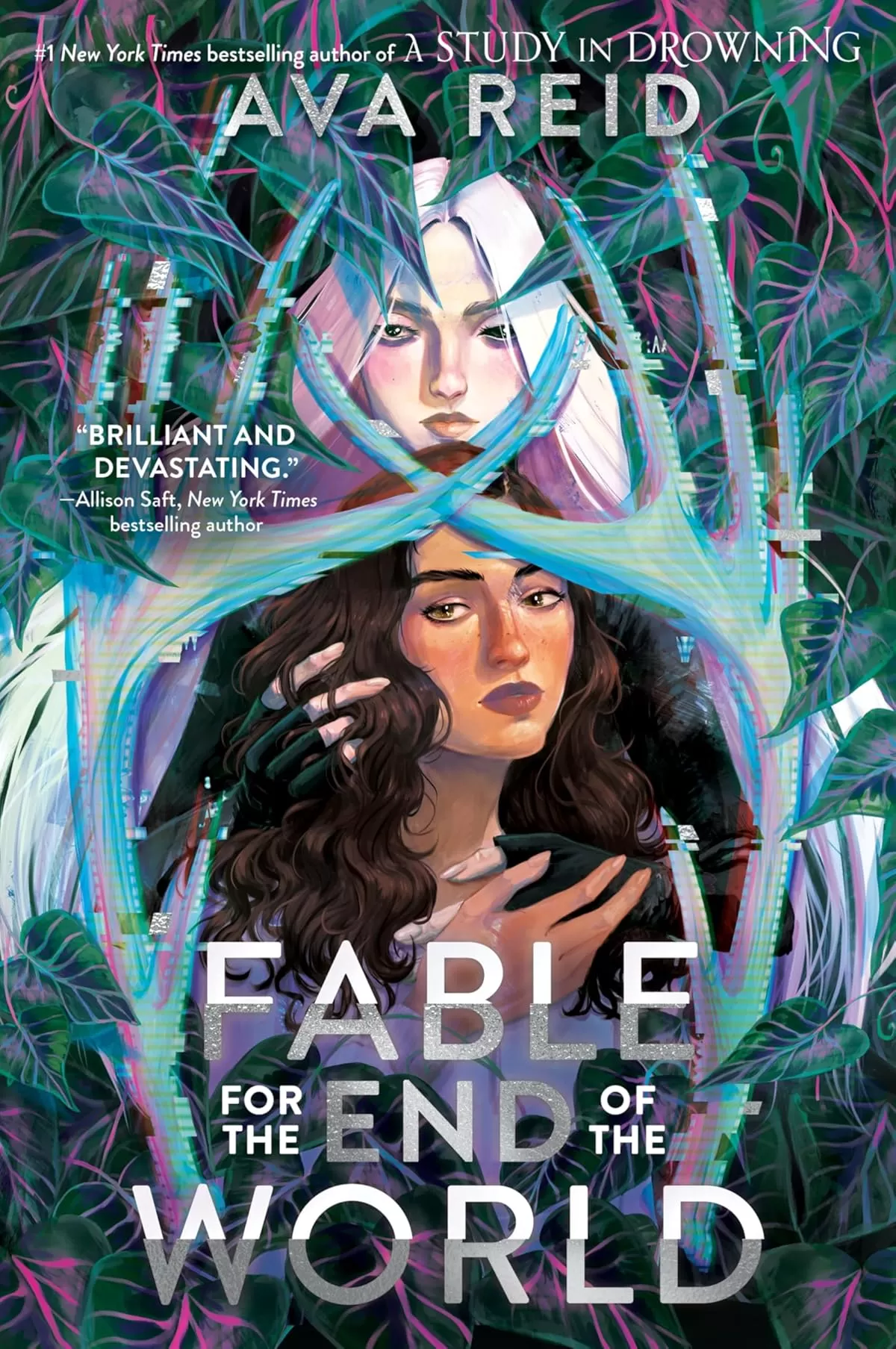
The Last of Us meets The Ballad of Songbirds and Snakes in this stand-alone dystopian romance about survival, sacrifice, and love that risks everything.
By encouraging massive accumulations of debt from its underclass, a single corporation, Caerus, controls all aspects of society.
Inesa lives with her brother in a half-sunken town where they scrape by running a taxidermy shop. Unbeknownst to Inesa, their cruel and indolent mother has accrued an enormous debt—enough to qualify one of her children for Caerus’s livestreamed assassination spectacle: the Lamb’s Gauntlet.
Melinoë is a Caerus assassin, trained to track and kill the sacrificial Lambs. The product of neural reconditioning and physiological alteration, she is a living weapon, known for her cold brutality and deadly beauty. She has never failed to assassinate one of her marks.
When Inesa learns that her mother has offered her as a sacrifice, at first she despairs—the Gauntlet is always a bloodbath for the impoverished debtors. But she’s had years of practice surviving in the apocalyptic wastes, and with the help of her hunter brother she might stand a chance of staying alive.
For Melinoë, this is a game she can’t afford to lose. Despite her reputation for mercilessness, she is haunted by painful flashbacks. After her last Gauntlet, where she broke down on livestream, she desperately needs redemption.
As Mel pursues Inesa across the wasteland, both girls begin to question everything: Inesa wonders if there’s more to life than survival, while Mel wonders if she’s capable of more than killing.
And both wonder if, against all odds, they might be falling in love.