About the Book
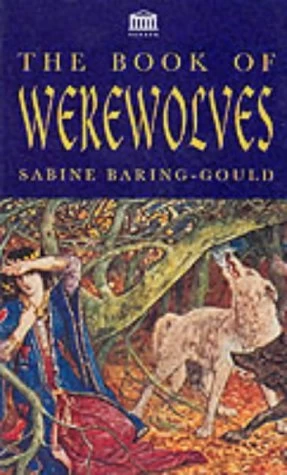
One of the earlies books to explore lycanthropy and werewolf lore, Sabine Baring-Gould’s classic The Book of Were-Wolves helped launch the large-scale fascination with werewolves that continues to this day. The author leaves no stone unturned, and details more that 1,000 years of legends, from Norse lore and French mythology to contemporary anecdotes of cannibalism and madness. But more than this, Baring-Gould also addresses the true-to-life histories of famous cases to blends science, superstition, fiction, and non-fiction and paint a full picture of the werewolves.
The Book of Were-Wolves compresses an enormous span of historical material to explores the tradition of werewolves as a widespread and persistent theme throughout history, and is one of the most cited references on the subject. Complete with essays by contemporary scholars and added historical context, this book is an essential and document for anyone interested in lycanthropy.