Sangria in the Sangraal
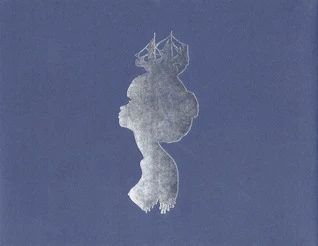
Click here to see the cover art of the new Eibonvale Press edition (September 2016).
Sangria in the Sangraal is a full-colour sewn hardcover book of 112 pages with dust-jacket, silk ribbon, endpapers and a full-colour frontispiece. Collector's edition limited to only 102 hand numbered copies.
An entire story-cycle in miniature. One thousand years of the remarkable magical history of a secret region of Spain where few people venture even now. Albarracín is a rose-red town tucked away in the mountains of Lower Aragon. Once the seat of an independent taifa during the dominance of the Caliphate of Cordoba, it remained saturated with ancient mystery long after the separated kingdoms of the peninsular were forged through conquest into the single nation we know today. In Albarracín still lurk the djinn of the wondrous past in their dusty bottles and the ghosts of heroes and villains locked in the crucibles of a rogue alchemist.
As Alarcon once wrote, “A happy time it was when our land still remained in peaceful possession of all the spider's webs, dust, woodworm, respect, faith, traditions, uses and abuses sanctified by the centuries!”
Above the roofs of the crumbling town serenely float the clouds; but these are not mindless puffs of vapour. On the contrary, they control the destinities of those who dwell below. In a modern world where the East is trying too hard to become the West, only Albarracín has successfully reversed the trend; for in this place the West always was the East; and the true flavour of Oriental magic remains bright on the tips of the swords, in the pulse of the hearts and on the rims of the cups of the men and gods who enter therein.
Contents:
- Foreword
- The Shapes Down There
- The Spare Hermit
- Sally Forth
- The Magic Gone
- Sangria in the Sangraal
- The Man Toucan
- Latitude, Longitude and Plenitude
- The Kind Generosity of Theophrastus Tautology
- Scaramouche's Pouting Mouth
- Knossos in its Glory
---
Synopsis for the Eibonvale Press edition:
An entire story-cycle in miniature. One thousand years of the remarkable magical history of a secret region of Spain where few people venture even now. Albarracín is a rose-red town tucked away in the mountains of Lower Aragon. Once the seat of an independent taifa during the dominance of the Caliphate of Cordoba, it remained saturated with ancient mystery long after the separated kingdoms of the peninsular were forged through conquest into the single nation we know today. In Albarracín still lurk the djinn of the wondrous past in their dusty bottles and the ghosts of heroes and villains locked in the crucibles of a rogue alchemist.
As Alarcon once wrote, “A happy time it was when our land still remained in peaceful possession of all the spider's webs, dust, woodworm, respect, faith, traditions, uses and abuses sanctified by the centuries!”
Above the roofs of the crumbling town serenely float the clouds; but these are not mindless puffs of vapour. On the contrary, they control the destinies of those who dwell below. In a modern world where the East is trying too hard to become the West, only Albarracín has successfully reversed the trend; for in this place the West always was the East; and the true flavour of Oriental magic remains bright on the tips of the swords, in the pulse of the hearts and on the rims of the cups of the men and gods who enter therein.
This new edition contains two stories not included in the original - Señor Chimera’s Hysterical History and The Bone Throwers.
Contents:
The Shapes Down There
The Spare Hermit
Sally Forth
The Magic Gone
Oranges and the Arrows
The Man Toucan
Latitude, Longitude and Plenitude
The Kind Generosity of Theophrastus Tautology
Scaramouche's Pouting Mouth
Knossos in Its Glory
Senor Chimera's Hysterical History (new story)
The Bone Throwers (new story)
Readers also enjoyed


Rhys Hughes
Rhys Henry Hughes (born 1966) is a Welsh writer and essayist.
Born in Cardiff, Hughes is a prolific short story writer with an eclectic mix of influences, which include Italo Calvino, Milorad Pavić, Jorge Luis Borges, Stanisław Lem, Flann O'Brien, Felipe Alfau, Donald Barthelme and Jack Vance. Much of his work is of a humorously eccentric bent, often parodies and pastiches with surreal and absurdist overtones, although he is by no means limited to any of these forms and has proven to be extremely versatile. He has been published in Postscripts among many other places.
More books by Rhys Hughes