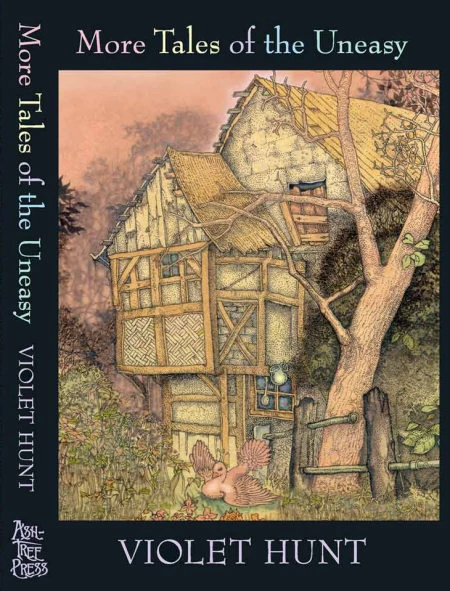
About the Book
Introduction by John Pelan. Jacket art by Jason Van Hollander.
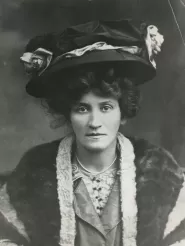
From her earliest days, Violet Hunt (1866–1942) lived a life steeped in art and literature. Her father was an artist who was associated with the Pre-Raphaelites, while her mother was a novelist. Although the young Violet was groomed for a career as an artist, she soon switched to the world of letters, where she associated with, and was a friend of, such luminaries as Oscar Wilde, Joseph Conrad, Somerset Maugham, H. G. Wells, May Sinclair, and Ford Madox Ford, with whom she lived for several years.
Perhaps the greatest literary influence on Hunt was Henry James; and when Violet began writing her 'tales of the uneasy' it was James's elegant excursions into the genre upon which she drew. Her tales explore issues of sin, guilt, personal relationships, and revenge which do not conform to the standard pattern of their time. The supernatural, when it intrudes, does so subtly, yet with chilling style.
More Tales of the Uneasy completes the series of Violet Hunt's supernatural fiction. This second volumes contains four stories, originally published in book form in 1925, and the stories are accompanied by Hunt's own Preface, in which she tells how Henry James was instrumental in helping her find a suitable title for the series.
Contents:
- Introduction by John Pelan: 'Violet Hunt — Uneasy Years'
- Preface
- The Night of No Weather
- The Cigarette Case of the Commander
- Love's Last Leave
- The Corsican Sisters