The Trial
Written in 1914, The Trial is one of the most important novels of the twentieth century: the terrifying tale of Josef K., a respectable bank officer who is suddenly and inexplicably arrested and must defend himself against a charge about which he can get no information. Whether read as an existential tale, a parable, or a prophecy of the excesses of modern bureaucracy wedded to the madness of totalitarianism, Kafka's nightmare has resonated with chilling truth for generations of readers.
Readers also enjoyed
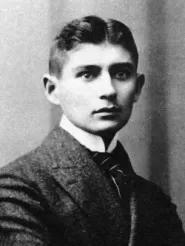
Franz Kafka
Franz Kafka (1883–1924) was a culturally influential German-language novelist. Contemporary critics and academics regard Kafka as one of the best writers of the 20th century. The term "Kafkaesque" has become part of the English vernacular.
Kafka was born to middle class German-speaking Jewish parents in Prague, Bohemia, then part of the Austro-Hungarian Empire. The house in which he was born, on the Old Town Square next to Prague's Church of St Nicholas, now contains a permanent exhibition devoted to the author.
Most of Kafka's writing, much of it unfinished at the time of his death, was published posthumously.
More books by Franz Kafka
Reviews and Comments
The Trial by Kafka is a strange and even unsettling work. K is accused of a crime that is never revealed to the reader — or even to K himself. He insists on his innocence, but as a reader, I’m not so sure. What bothers me about the events unfolding around him is how women are portrayed in the story. Perhaps that’s why I’m not sure how I feel about K myself. This work has probably been analyzed to death, and I have nothing philosophical to say about it. It’s as if I’d just had a rather strange nightmare.