
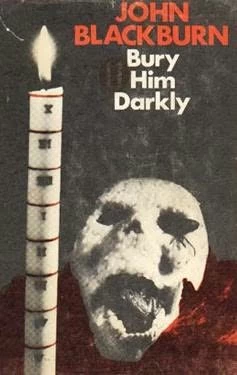
About the Book
Was Sir Martin Railstone – eighteenth-century painter, scientist, historian, prophet, and libertine – a monster or a saint? Was he a remarkable Renaissance man whose advanced biological research was misunderstood by his contemporaries or a murderous fiend whose very touch meant death? Why did the Church of England bar the opening of his crypt under decaying Caswell Hall? And what relics could it hold that would goad members of the small but influential Railstone cult to commit murder? Not until George Banks, Railstone's most fanatic disciple, fled from the tomb he had just rifled – only to die in agony just after shrieking, "Something's alive in there" – did anyone suspect the rampaging horror that had lain dormant for two centuries. A horror that required human sacrifice to stamp out.