About the Book
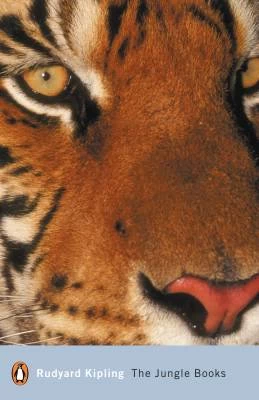
Mowgli, the man-cub who is brought up by wolves in the jungles of Central India, is one of the greatest literary myths ever created. As he embarks on a series of thrilling escapades, Mowgli encounters such unforgettable creatures as Bagheera, the graceful black panther, and Shere Khan, the tiger with the blazing eyes. Other animal stories range from the simple heroism found in "Rikki-tikki-tavi" to the macabre comedy "The Undertakers". A rich and complex fable of human life, Kipling's enduring classic dazzles the imagination with its astonishing descriptive powers and lively sense of adventure.
Contents:
- Mowgli's Brothers
- Hunting-Song of the Pack (poem)
- Kaa's Hunting
- Road-Song of the Bandar-Log (poem)
- "Tiger! Tiger!"
- Mowgli's Song (poem)
- The White Seal
- Lukannon (poem)
- "Rikki-Tikki-Tavi"
- Darzee's Chaunt (poem)
- Toomai of the Elephants
- Shiv and the Grasshopper (poem)
- Her Majesty's Servants
- Parade-Song of the Camp Animals (poem)
- How Fear Came
- The Law of the Jungle (poem)
- The Miracle of Purun Bhagat
- A Song of Kabir (poem)
- Letting in the Jungle
- Mowgli's Song Against People (poem)
- The Undertakers
- A Ripple Song (poem)
- The King's Ankus
- The Song of the Little Hunter (poem)
- Quiquern
- Angutivun Tina (poem)
- Red Dog
- Chil's Song (poem)
- The Spring Running
- The Outsong (poem)
Get the book Buy or listen
Risingshadow