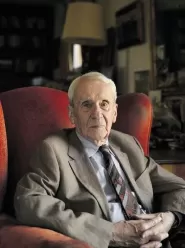
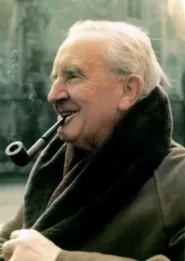
J. R. R. Tolkien, the creator of Middle-earth, was not just a writer; he was a weaver of worlds, a philologist whose deep understanding of language and mythology breathed life into epic landscapes, timeless characters, and legends that still captivate readers around the world. Born in 1892 in Bloemfontein, South Africa, Tolkien’s early years were marked by tragedy—his father’s untimely death and the loss of his mother, both of which shaped the tone of his writing. His roots in the English countryside, where he moved as a child, became the fertile ground for the stories that would define an entire genre.
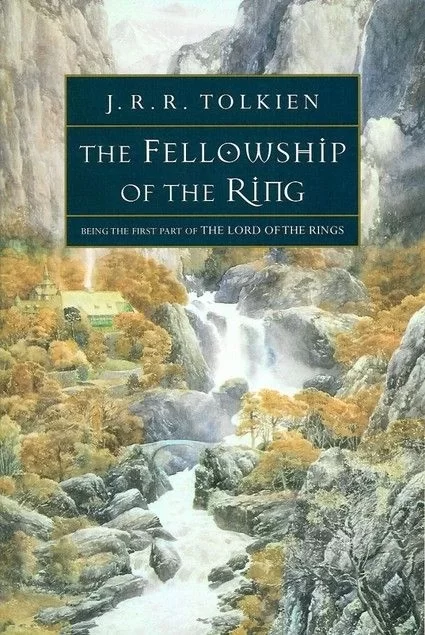
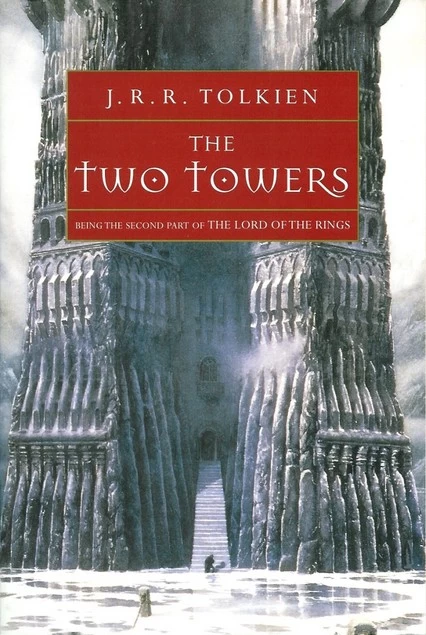
A professor of Anglo-Saxon at Oxford, Tolkien’s passion for ancient languages and myths guided his creative journey. It was through his academic work that he cultivated an understanding of storytelling traditions that would later inform The Hobbit (1937) and The Lord of the Rings trilogy (1954-1955). These novels, which began as a simple bedtime story for his children, transformed into a vast, intricate epic that combined linguistics, folklore, and his personal experiences—especially his time as a soldier in World War I. The desolate landscapes of war inspired much of the darkness found in Middle-earth, from the vast, haunted wilderness of Mordor to the sorrowful journeys of characters like Frodo Baggins.
Tolkien's approach to writing was as meticulous as his scholarship. His world-building is legendary, with languages and cultures as fully realized as any character in his books. His characters, from the humble hobbits to the noble elves, embody themes of bravery, friendship, and sacrifice. Yet, beneath the surface of his high fantasy is a deep reflection on the nature of evil and the fragility of power—lessons drawn from his own experiences and the history he so passionately studied.
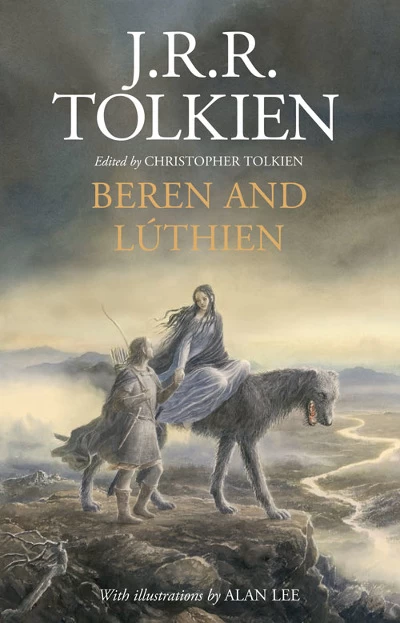
Beyond his literary genius, Tolkien was a devoted family man. His deep affection for his wife, Edith, inspired much of the romance in his works, particularly the relationship between Beren and Lúthien in The Silmarillion. Tolkien’s children, too, played a part in his creative process, often offering playful suggestions that found their way into his stories.
Though he passed away in 1973, Tolkien's legacy continues to resonate. His works have been translated into dozens of languages, adapted into blockbuster films, and studied for their rich mythological and linguistic elements. Middle-earth has become more than just a fictional world; it is a cultural touchstone, one that generations continue to return to for solace, adventure, and the reminder that even in the darkest times, hope can be found.
As Tolkien once said, “Not all those who wander are lost.” It is this sense of adventure, of exploring worlds beyond our own, that remains at the heart of his enduring appeal. His influence stretches far beyond the pages of his books, making J. R. R. Tolkien not just a cornerstone of fantasy literature, but a creator whose imagination has shaped the way we see the world itself.


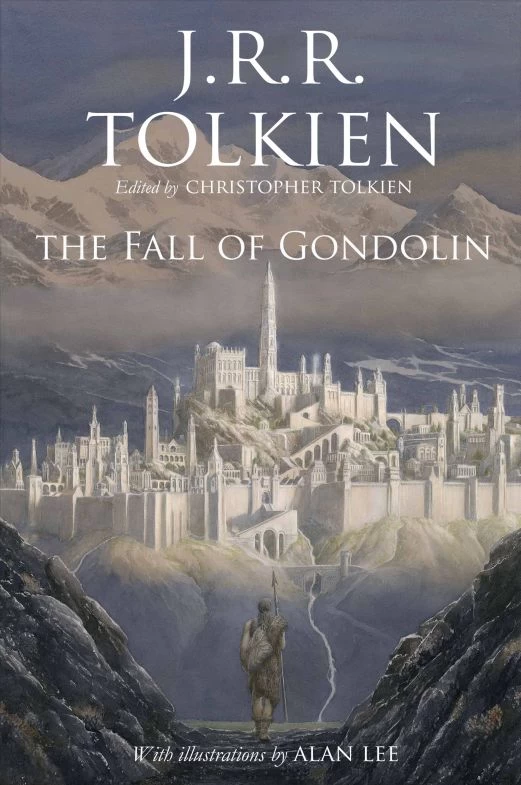
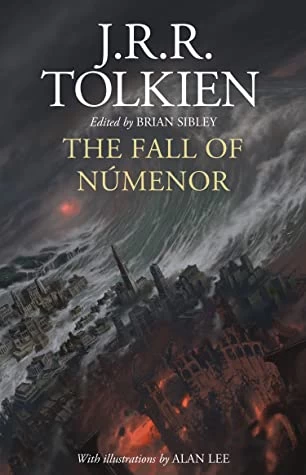
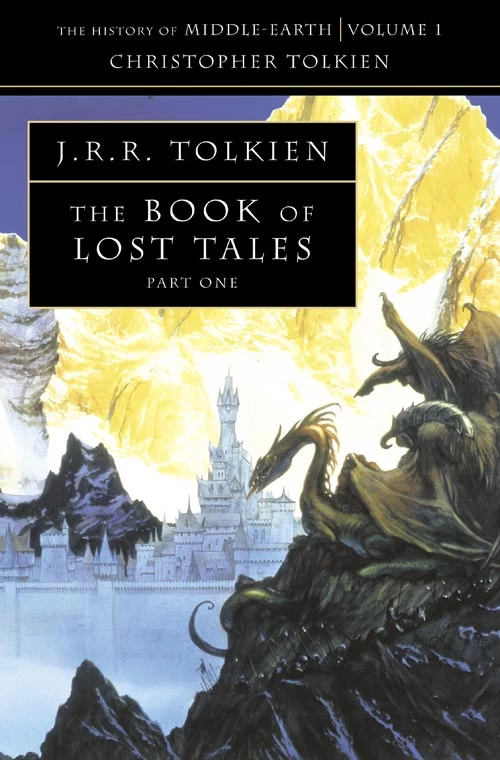
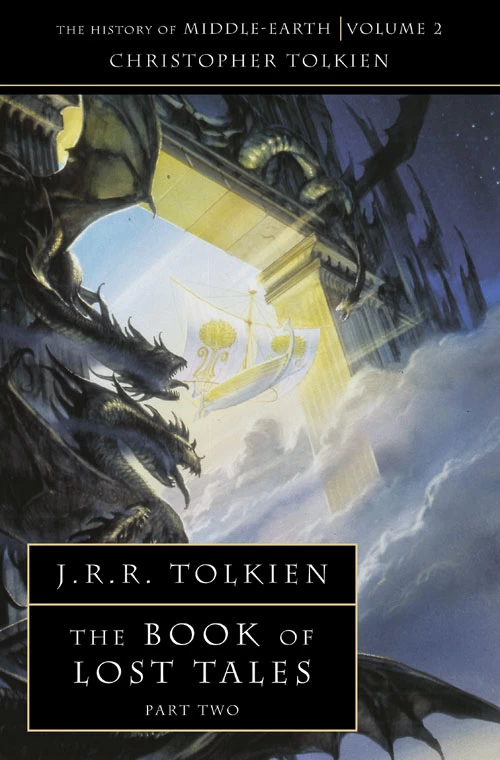
 The Battle of MaldonJ. R. R. Tolkien
 The Nature of Middle-earthJ. R. R. Tolkien
 The Story of KullervoJ. R. R. Tolkien
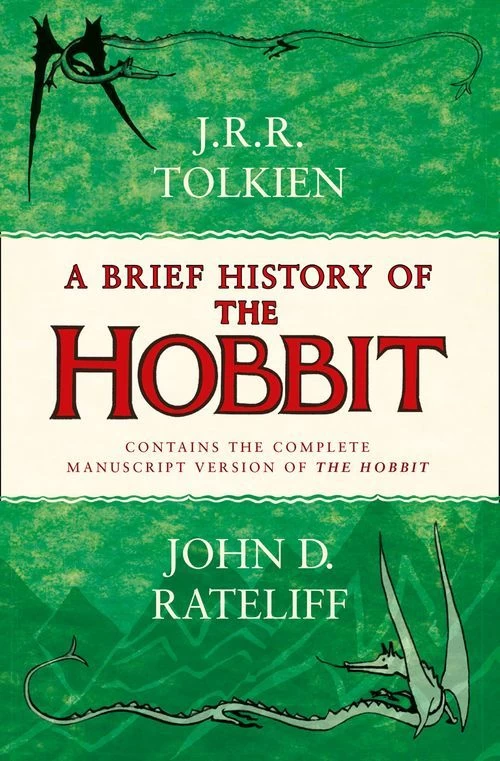 A Brief History of The HobbitJ. R. R. Tolkien
 The Art of The Lord of the Rings by J. R. R. TolkienJ. R. R. Tolkien
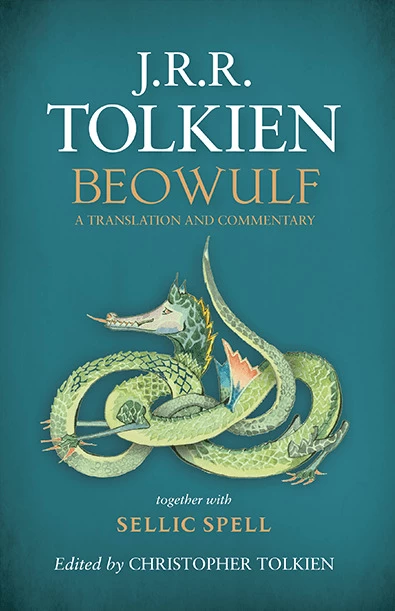 Beowulf: A Translation and Commentary, together with Sellic SpellJ. R. R. Tolkien
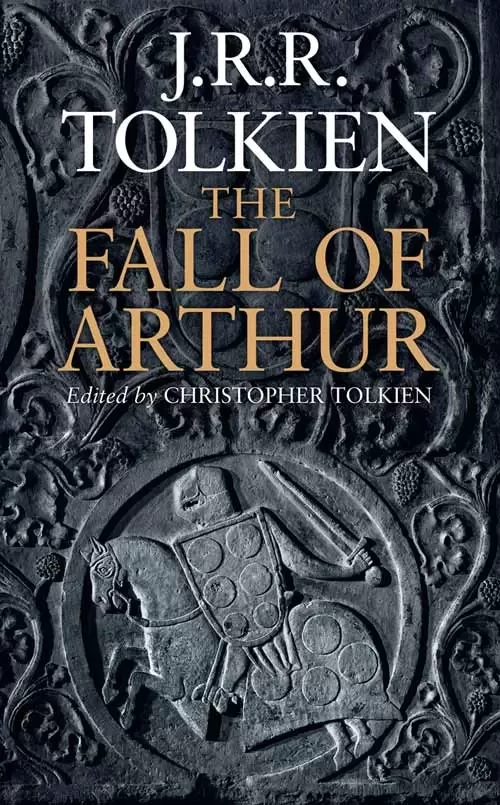 The Fall of ArthurJ. R. R. Tolkien
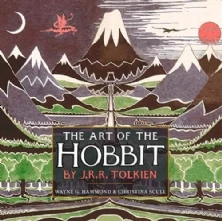 The Art of the HobbitJ. R. R. Tolkien
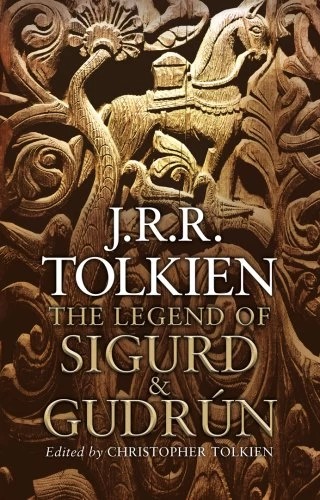 The Legend of Sigurd and GudrúnJ. R. R. Tolkien
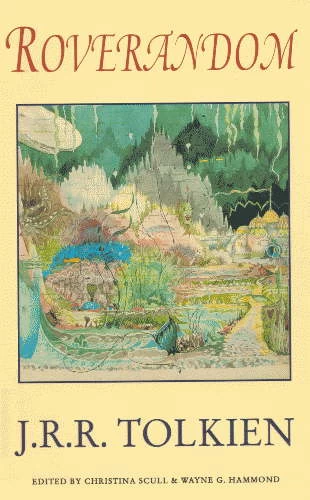 RoverandomJ. R. R. Tolkien
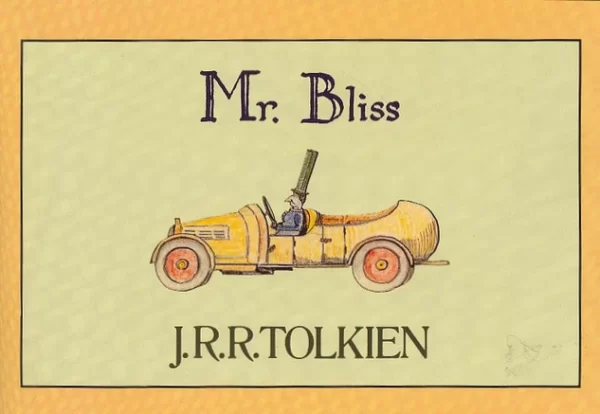 Mr. BlissJ. R. R. Tolkien
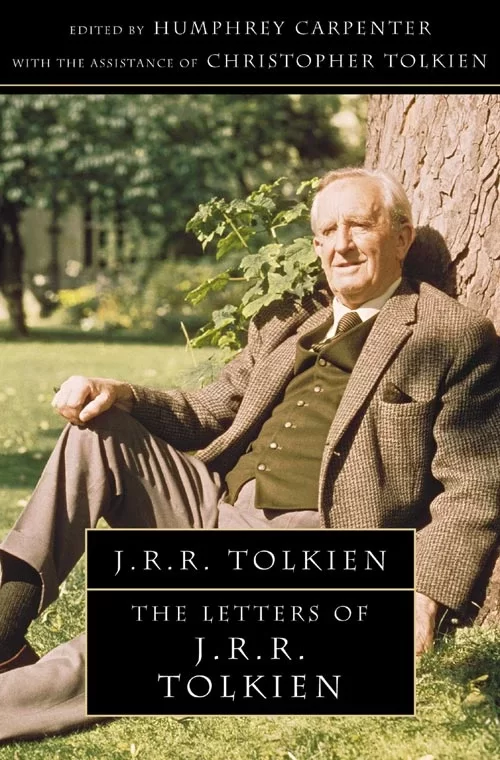 The Letters of J. R. R. TolkienJ. R. R. Tolkien
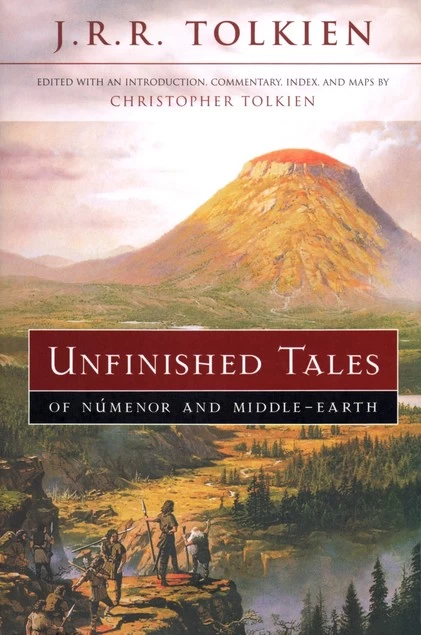 Unfinished TalesJ. R. R. Tolkien
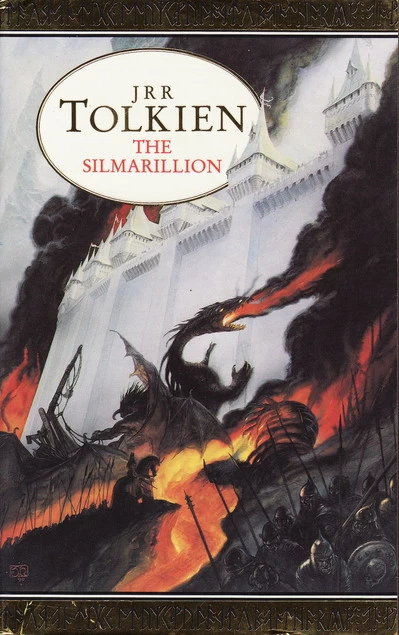 The SilmarillionJ. R. R. Tolkien
 The Father Christmas LettersJ. R. R. Tolkien
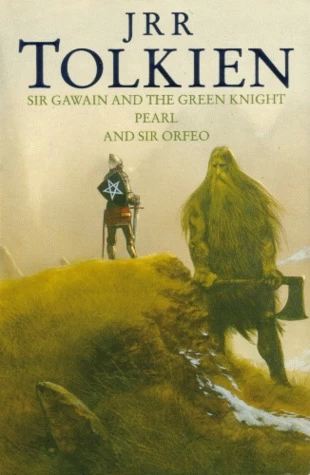 Sir Gawain and the Green Knight, Pearl, and Sir OrfeoJ. R. R. Tolkien
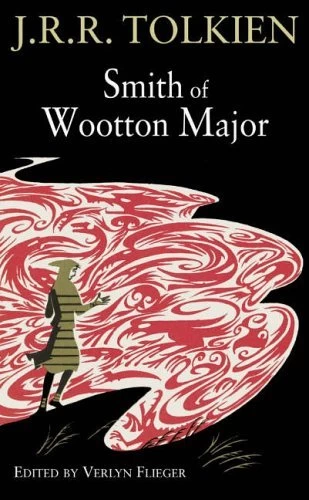 Smith of Wootton MajorJ. R. R. Tolkien
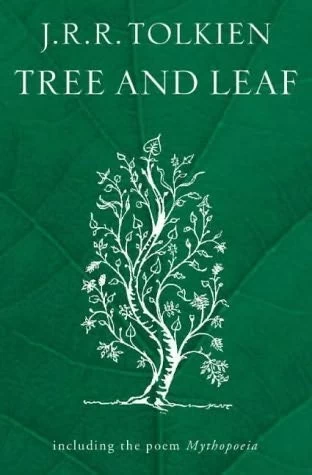 Tree and LeafJ. R. R. Tolkien
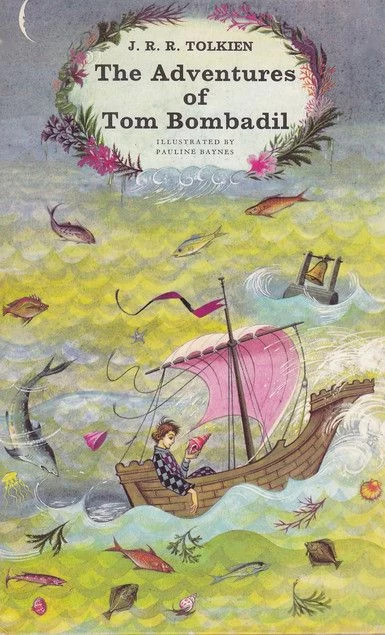 The Adventures of Tom BombadilJ. R. R. Tolkien
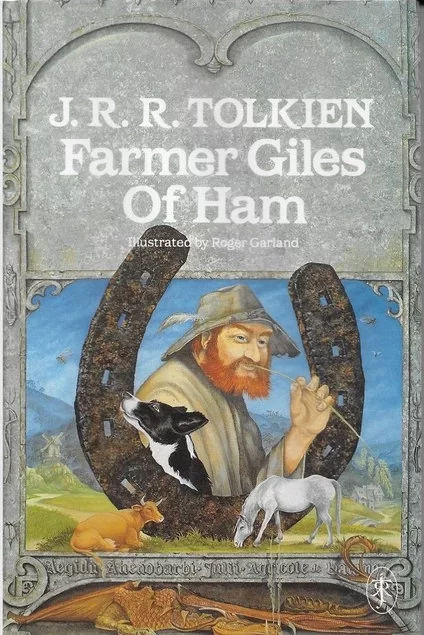 Farmer Giles of HamJ. R. R. Tolkien
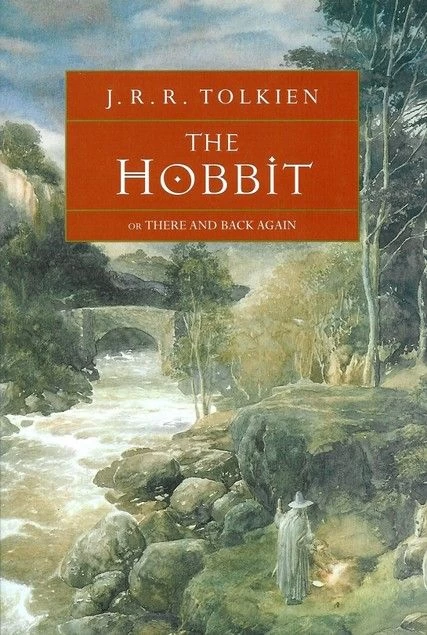 The HobbitJ. R. R. Tolkien