
Author
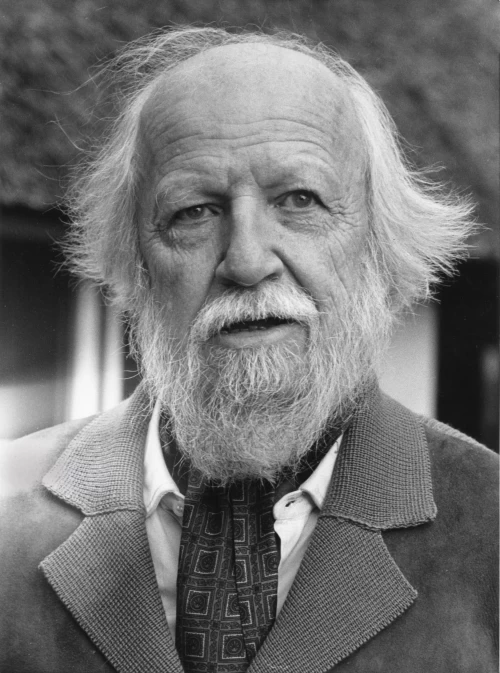
William Golding
William Golding is a name synonymous with profound literary exploration of human nature, a writer whose works continue to resonate with readers for their unsettling insights into society and the complexities of the human psyche. Born in Cornwall, England, in 1911, Golding’s early life was marked by…
Read author biography
William Golding is a name synonymous with profound literary exploration of human nature, a writer whose works continue to resonate with readers for their unsettling insights into society and the complexities of the human psyche. Born in Cornwall, England, in 1911, Golding’s early life was marked by both intellectual rigor and the turbulence of a world on the brink of war. His academic journey at Oxford, followed by his service in the Royal Navy during World War II, would leave indelible marks on his writing, particularly on the themes of survival, power, and the inherent darkness within humanity.
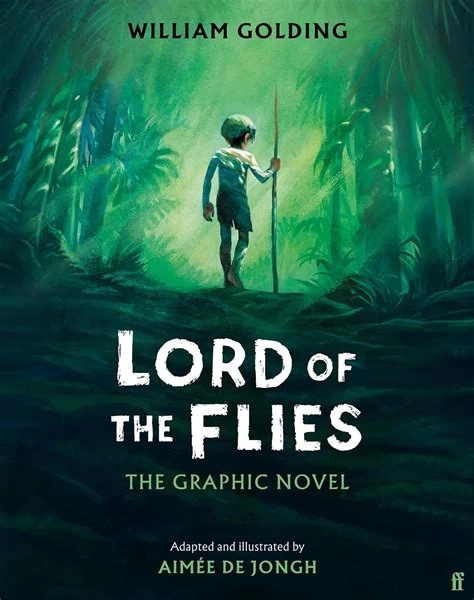
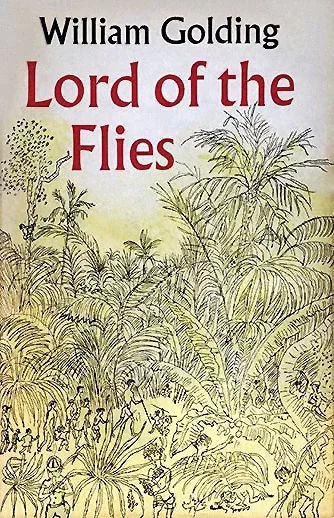
Golding’s literary fame was cemented with his debut novel, Lord of the Flies (1954), a work that transformed him into one of the most influential writers of the 20th century. The story of a group of boys stranded on an uninhabited island, gradually descending into savagery, struck a nerve with its unflinching portrayal of mankind's darker instincts. Lord of the Flies is not just a commentary on civilization, but a powerful meditation on the fragility of social order and the brutal truths that lie beneath the surface of human behavior.
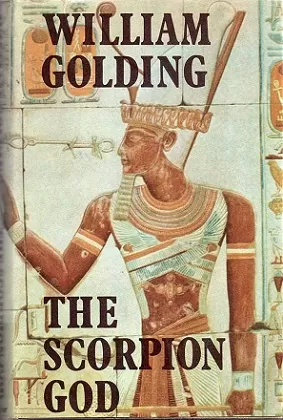
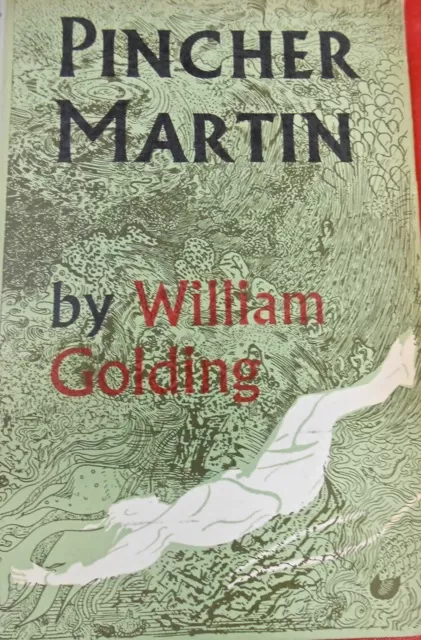
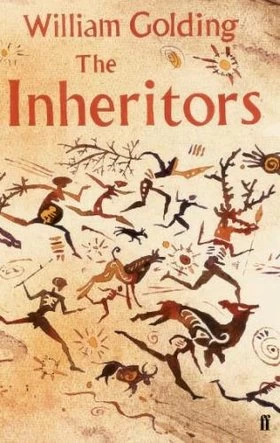
His body of work spans a range of novels, essays, and plays, but it is often his ability to capture the universality of the human condition—through characters both sympathetic and terrifying—that stands out. Golding’s writing is marked by a stark, often uncomfortable realism, yet it’s also filled with a deep moral questioning. Books like The Inheritors (1955), Pincher Martin (1956), and The Spire (1964) explore the human tendency toward violence, the fragility of life, and the intersections of knowledge and ignorance.
Throughout his career, Golding was awarded numerous accolades, including the Nobel Prize in Literature in 1983, an honor that recognized his profound impact on literature and the depth of his exploration into the human soul. His works, though often challenging and grim, speak to a universal truth: that within the best of us lies the potential for the worst. He once said, “The great lesson is that there are no lessons. There are only stories,” and it is this philosophy that echoes through his fiction, where stories are not just entertainment but a means of confronting uncomfortable truths about humanity’s nature.
Golding passed away in 1993, but his legacy endures in the classroom, in the hearts of readers, and in the countless authors who continue to grapple with the same existential themes he masterfully explored.
LATEST RELEASELord of the Flies2024★ 8.3/10 Rating AUTHOR CAREER
Publication timeline
Published and upcoming books by publication year. Undated TBA titles are excluded.
Select a year to see its books and known publication months.
THE AUTHOR’S WRITING
Writing profile
Genres assigned to this author’s cataloged books. A book can belong to several genres.
Main classification
Each book counts once. Multiple primary genres use the shared presentation order; books without a primary genre are Other.
Genres and themes
Books by this author
5 books in this view