

Author
John Wiswell
John Wiswell writes fantasy from the perspective of characters who are usually expected to be the monsters. His fiction can be gruesome, funny, tender, and strange within the space of a few pages, using creatures, haunted houses, ancient myths, and other speculative ideas to explore belonging, disa…
Read moreShow less
John Wiswell writes fantasy from the perspective of characters who are usually expected to be the monsters. His fiction can be gruesome, funny, tender, and strange within the space of a few pages, using creatures, haunted houses, ancient myths, and other speculative ideas to explore belonging, disability, loneliness, and the complicated business of caring for other people.
An American writer from New York, Wiswell grew up around Mount Kisco and graduated from Bennington College in 2005. Long before his first novel appeared, he built his career through short fiction, publishing stories in venues including Uncanny Magazine, Nature, Lightspeed, The Magazine of Fantasy & Science Fiction, and Tor.com. For six years he also maintained the unusual discipline of publishing fiction on his blog every day, leaving behind a public record of his development as a writer.
His breakthrough story, “Open House on Haunted Hill,” approaches the haunted-house tale from an unexpected direction, imagining a lonely house that would rather find a family than frighten one away. It won the Nebula Award for Best Short Story and was nominated for the Hugo, Locus, World Fantasy, and British Fantasy awards. Another story, “That Story Isn’t the Story,” won the Locus Award for Best Novelette.
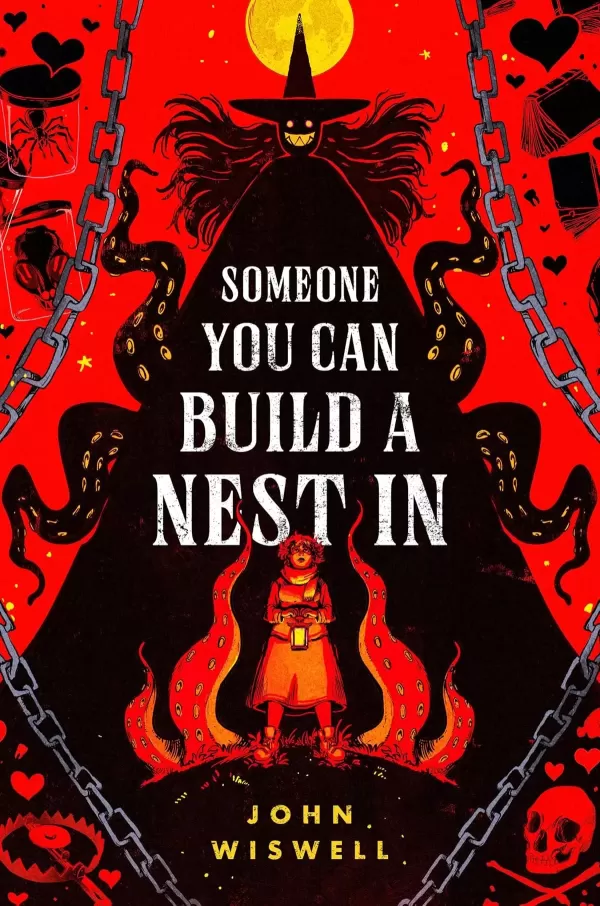
Wiswell brought that same sympathy for supposedly frightening creatures to his debut novel, Someone You Can Build a Nest In. Published in 2024, the fantasy follows Shesheshen, a shapeshifting monster who assembles a body from whatever useful materials she can find and then encounters a particularly inconvenient problem: she falls in love with a human. Beneath its body horror, dark comedy, and unconventional romance, the novel explores abusive families, boundaries, disability, otherness, and what it means to build a relationship without forcing either person to become someone else.
The book became a major success within speculative fiction. Someone You Can Build a Nest In won the Nebula Award for Best Novel and the Locus Award for Best First Novel and was a finalist for the Hugo Award for Best Novel.
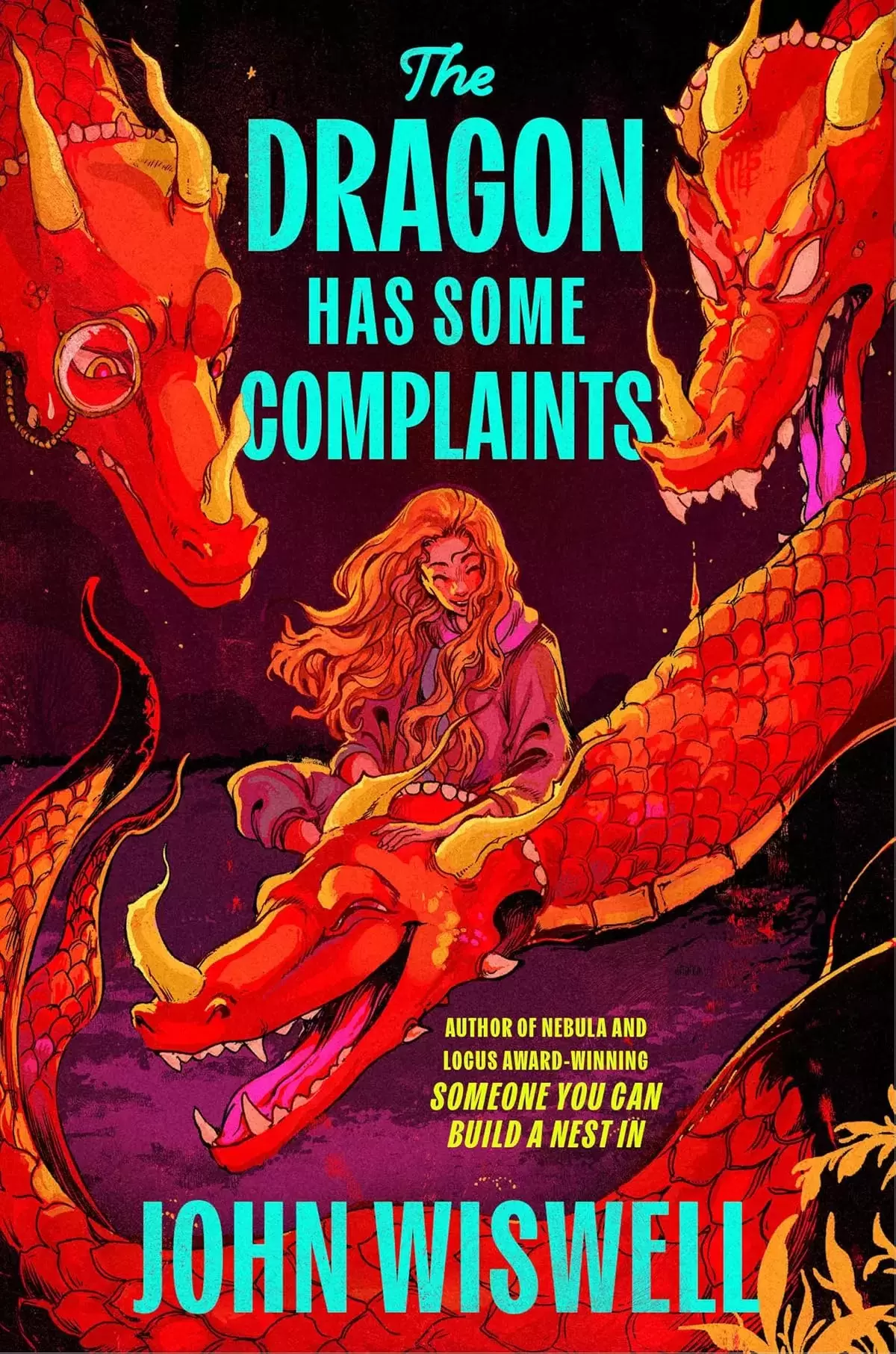
His later novels continue his interest in reconsidering familiar monsters and myths. Wearing the Lion reworks the story of Heracles, looking beyond heroic legend toward damaged relationships, grief, and the possibility of becoming something other than the role the gods have chosen. The Dragon Has Some Complaints turns its attention to another familiar fantasy creature, approaching dragons with the mixture of humor, empathy, and genre subversion that runs throughout Wiswell's fiction.
Disability has also shaped the perspective behind his work. Wiswell has spoken openly about living with multiple disabilities, including a neuromuscular syndrome, and his fiction frequently considers bodies that do not behave in the ways society expects. Rather than separating those experiences from fantasy, he makes them part of how his imaginary creatures perceive and navigate their worlds.
That perspective helps explain why monsters in Wiswell's stories so often become people worth understanding rather than obstacles waiting to be defeated. His fantasy may contain shapeshifters, dragons, gods, haunted houses, and occasionally alarming anatomy, but beneath the weirdness is a recurring question: what changes when a story allows the creature on the other side of the sword to speak for itself?
Books by this author
2 books in this view