

Author
Solvej Balle
Solvej Balle is a Danish novelist whose fiction turns philosophical questions about time, existence, and human connection into quietly unsettling stories. Her most ambitious work, On the Calculation of Volume, begins with a premise that sounds deceptively familiar: a woman wakes to discover that No…
Read moreShow less
Solvej Balle is a Danish novelist whose fiction turns philosophical questions about time, existence, and human connection into quietly unsettling stories. Her most ambitious work, On the Calculation of Volume, begins with a premise that sounds deceptively familiar: a woman wakes to discover that November 18 is repeating itself. From that simple fracture in reality, Balle builds something far stranger and more contemplative than a conventional time-loop story.
Born in Denmark in 1962, Balle made her literary debut with Lyrefugl in 1986. She became an important voice in Danish literature during the 1990s, particularly with According to the Law: Four Accounts of Mankind, originally published as Ifølge loven in 1993. The novel's experimental structure and interest in human behavior, knowledge, and the limits of rational understanding anticipated many of the concerns that would later return on a much larger scale in her fiction.
Balle subsequently stepped away from the conventional rhythm of literary publishing. During the following decades she produced relatively few books, including works of art theory, political memoir, and short prose, while gradually developing the project that would become On the Calculation of Volume. The idea had roots stretching back to the 1990s, and Balle spent more than twenty years considering and shaping the larger work.
The resulting seven-volume cycle follows Tara Selter, a rare-book dealer who becomes separated from ordinary time and finds herself living November 18 again and again. Everyone around her continues to experience the day for the first time, while Tara alone accumulates memories of hundreds of versions of the same date. Rather than treating the premise primarily as a puzzle to solve, Balle uses it to examine what happens to love, identity, memory, routine, nature, and our sense of belonging when the forward movement of time disappears.
The first volumes were originally published in Denmark through Balle's own publishing house and grew into a word-of-mouth literary phenomenon. On the Calculation of Volume I, II and III won the 2022 Nordic Council Literature Prize, bringing renewed attention to an author who had spent years largely outside the literary spotlight. The series has since reached readers internationally, with Barbara J. Haveland translating the work into English. On the Calculation of Volume I was shortlisted for the 2025 International Booker Prize.
Balle's writing occupies an unusual space between literary and speculative fiction. The impossible is present, but it is rarely treated as spectacle. Instead, a disruption in reality becomes a way of looking more closely at ordinary existence: meals, journeys, changing seasons, relationships, objects, and the small rituals through which people measure their lives. Her prose is restrained and patient, allowing seemingly minor observations to accumulate until they begin to alter the reader's understanding of time itself.
That approach has made On the Calculation of Volume both an ambitious work of contemporary Danish literature and a distinctive contribution to speculative fiction, one in which being trapped in a single day is less about escaping the loop than discovering what remains meaningful when tomorrow no longer arrives.
Books by this author
5 books in this view
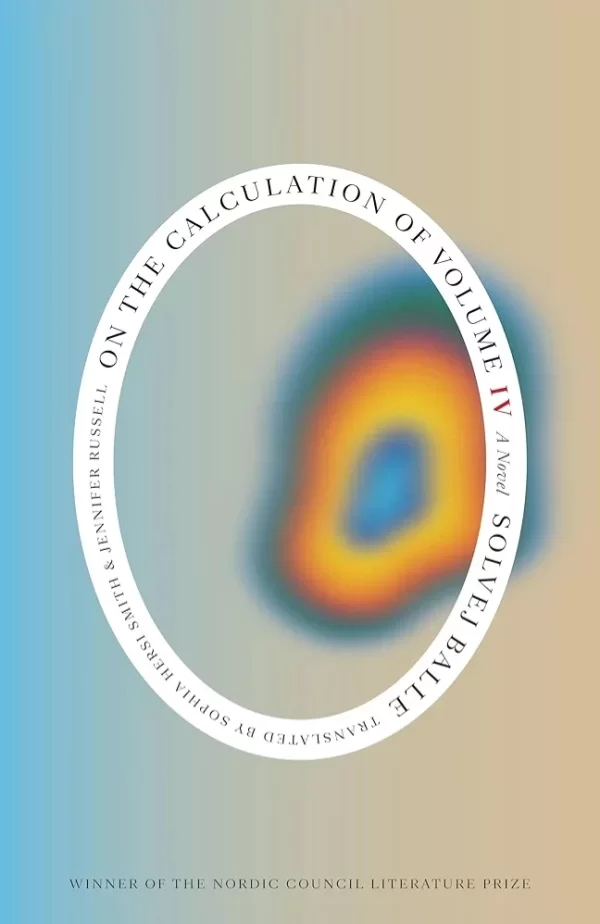
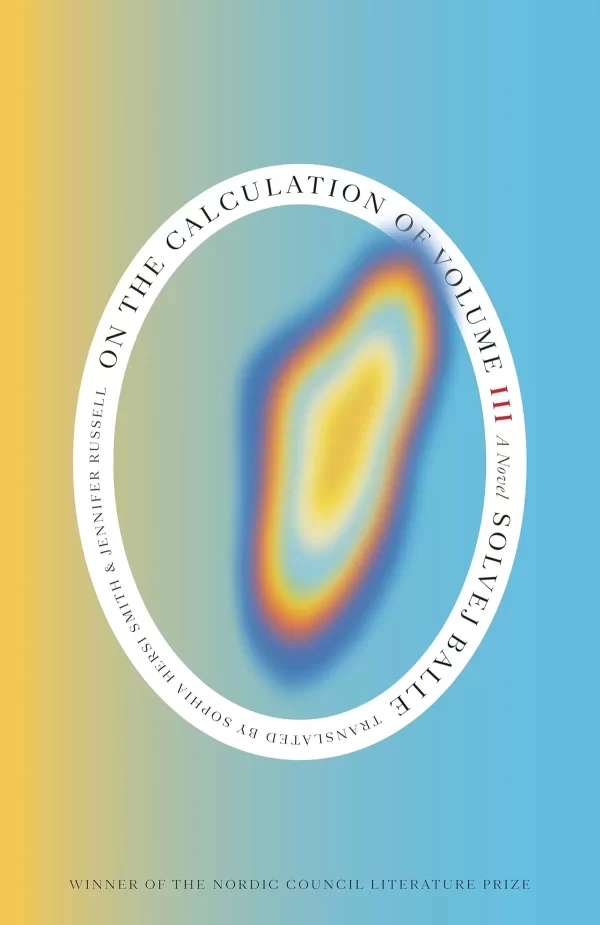
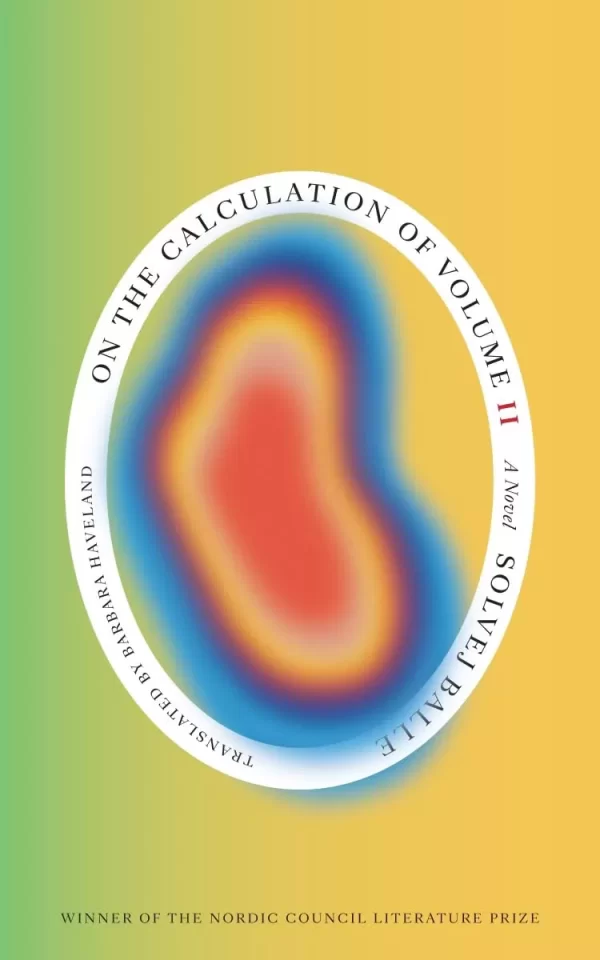
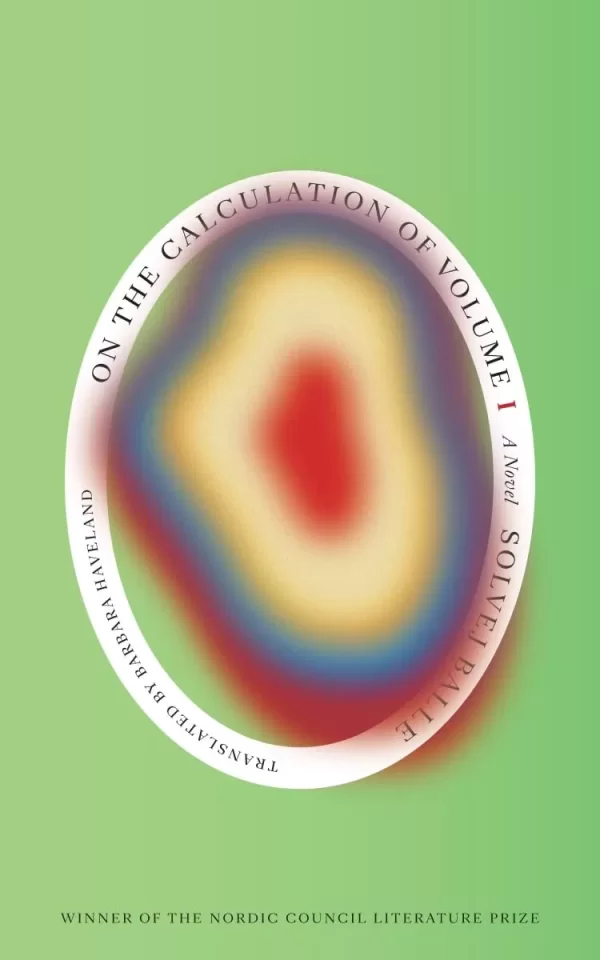
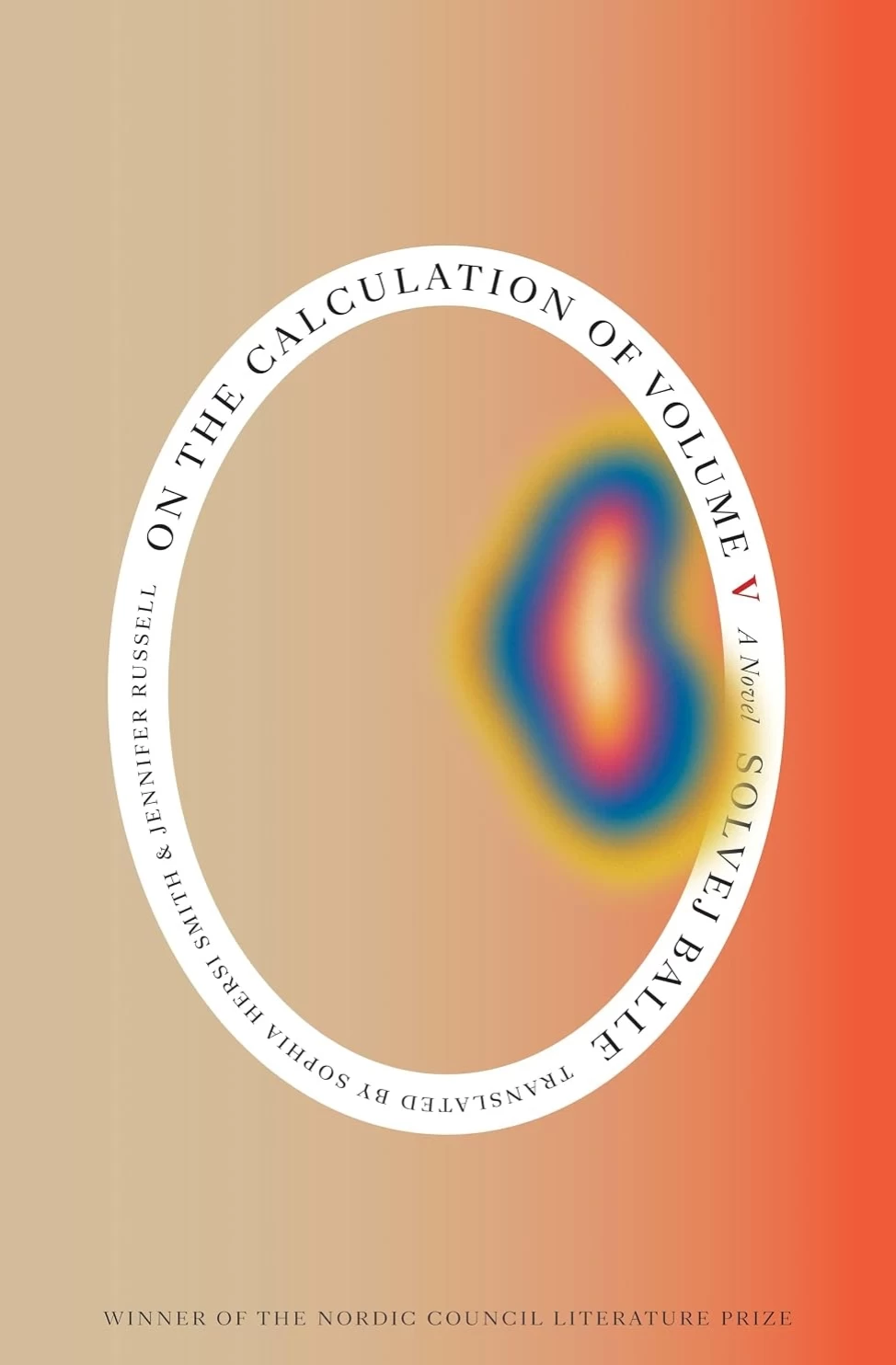 On the Calculation of Volume 5 2026 ★ 6.0/10 1 ratings On the Calculation of Volume #5 On the Calculation of Volume 4 2026 ★ 7.0/10 2 ratings On the Calculation of Volume #4 On the Calculation of Volume 3 2025 ★ 6.3/10 3 ratings On the Calculation of Volume #3 On the Calculation of Volume 2 2024 ★ 6.7/10 3 ratings On the Calculation of Volume #2 On the Calculation of Volume 2024 ★ 6.5/10 6 ratings On the Calculation of Volume #1
THE AUTHOR’S WORLDS