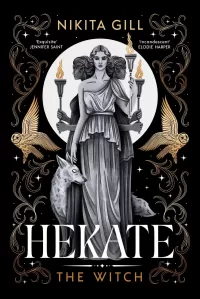
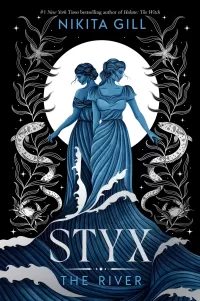
When Nikita Gill writes, it feels like she is handing you a mirror, one that reflects not just who you are, but who you’ve been and who you’re trying to become. Her poetry walks the line between myth and memory, channeling the voices of goddesses, forgotten daughters, and wounded girls who refuse to stay silent. With millions of readers drawn to her words on social media and the page, Gill has quietly transformed modern poetry into a space for healing, empowerment, and fierce reclamation.
Born in Belfast to Indian parents and raised in New Delhi, Gill grew up between cultures and continents. Her writing carries that duality. It pulses with the weight of ancient stories, reimagined and reframed, and the intimacy of deeply personal truths. Whether she’s rewriting fairy tales in Fierce Fairytales or crafting a coming-of-age verse novel in The Girl and the Goddess, her work is unflinching and lyrical, a bridge between the epic and the internal.
Before her words found their way into bookstores and classrooms, Gill was sharing poems online, short, sharp meditations on survival, softness, rage, and rebirth. Her candid posts struck a nerve, especially with young women who saw their struggles reflected back with honesty and care. Over time, this digital momentum evolved into an expansive body of work, including Wild Embers, Great Goddesses, and These Are the Words, each blending themes of mythology, feminism, mental health, and self-worth.
Her poems have been set to music, performed on stage, and even adapted for television. Still, Gill remains deeply grounded in the emotional core of storytelling. She writes not to elevate herself but to create connection, to make sense of the chaos we carry, and to offer language for the feelings we don’t always know how to name.
Through all her success, including hundreds of thousands of books sold, a TEDx talk, features in The Guardian and BBC Radio, and collaborations with artists like Anoushka Shankar, Gill continues to lead with vulnerability. Her work reminds us that poetry doesn’t need to be lofty to matter. It just needs to tell the truth, even when it hurts. Especially when it hurts.