

Author
S.M. Stirling
S. M. Stirling writes speculative fiction that often begins with a single, unsettling question, what happens when the rules of civilization suddenly change? Across alternate histories, post-apocalyptic landscapes, and sweeping historical fantasies, his novels explore how societies adapt, fracture, …
Read moreShow less
S. M. Stirling writes speculative fiction that often begins with a single, unsettling question, what happens when the rules of civilization suddenly change? Across alternate histories, post-apocalyptic landscapes, and sweeping historical fantasies, his novels explore how societies adapt, fracture, and rebuild when technology, power, or history itself takes a different path.
Born in 1953 in France to Canadian parents, Stirling spent parts of his childhood moving between countries before eventually settling in North America. That international upbringing left its mark on his imagination. His stories frequently draw on deep historical knowledge, cultural detail, and the ways traditions survive even when the world around them collapses. Rather than focusing only on catastrophe, his fiction tends to linger on the human response, how communities organize, what values endure, and how myths and legends grow out of crisis.
Readers first began to notice his distinctive approach in the 1990s with alternate history collaborations and solo novels that blended meticulous research with bold speculation. Over time he became especially known for large-scale series that follow generations of characters navigating transformed worlds. The Nantucket trilogy imagines a modern island thrown back to the Bronze Age. The long-running Emberverse series begins with a mysterious global event that disables modern technology and forces humanity to rebuild along medieval lines. In both cases, Stirling’s fascination lies not only in survival, but in the birth of new cultures.
His writing style mixes action and world-building with a strong sense of anthropology. Warriors, farmers, scholars, and ordinary families all play roles in shaping the future. Battles and political intrigue appear throughout his books, yet so do quieter moments, planting crops, rebuilding towns, rediscovering lost skills. That balance between epic scope and everyday detail has helped his work stand out within modern science fiction and fantasy.
Over several decades, Stirling has built a loyal readership among fans of alternate history, post-apocalyptic fiction, and historically grounded fantasy. His novels reward readers who enjoy watching worlds evolve over time, where a single turning point in history can ripple across centuries.
Today he continues to write from the Pacific Northwest of the United States, crafting new stories that ask familiar but endlessly fascinating questions about civilization, resilience, and the fragile systems that hold the modern world together.
Books by this author
5 books in this view
 Pax Astra Book 2 2027 Pax Astra #2
  Make the Darkness Light Book 3 2027 ★ 9.4/10 10 anticipation ratings Make the Darkness Light #3
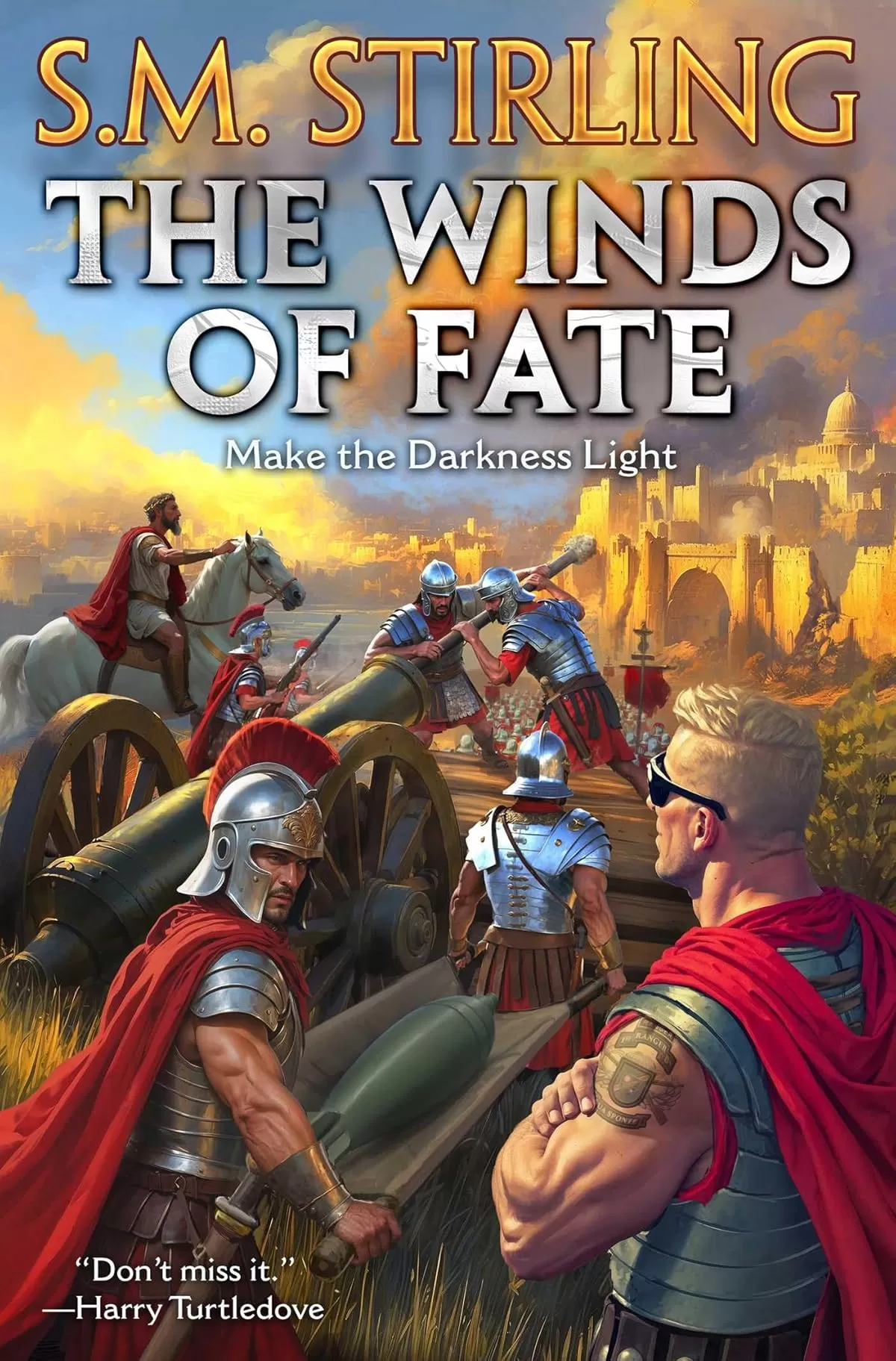
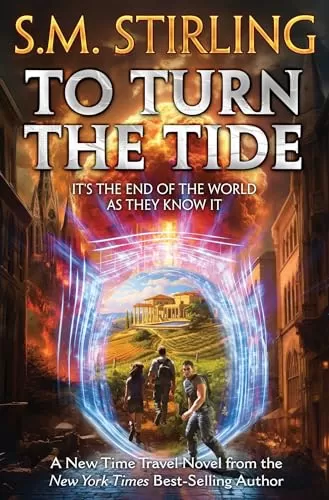
 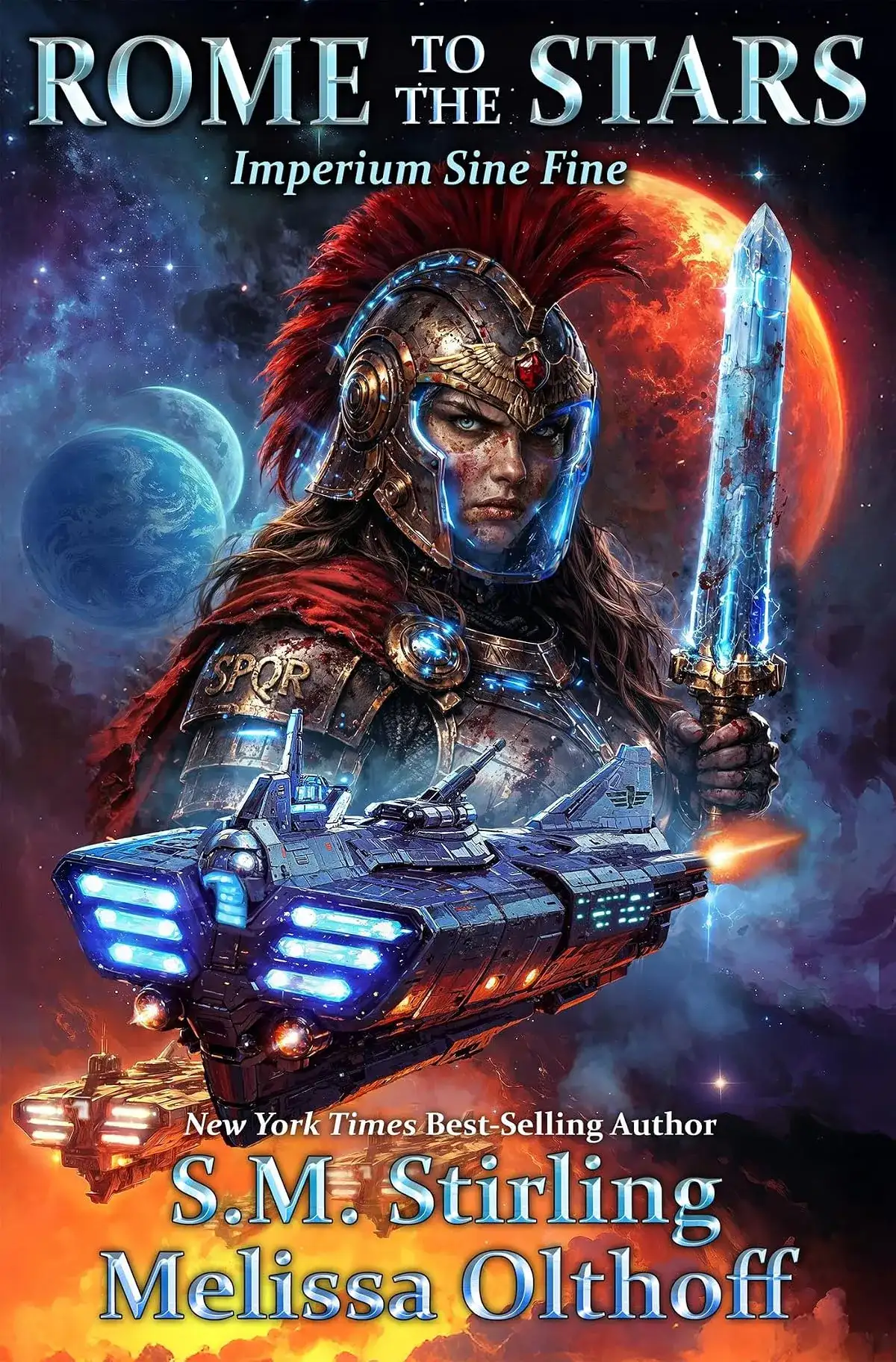 Rome to the Stars 2026 Pax Astra #1 The Winds of Fate 2025 ★ 9.0/10 2 anticipation ratings Make the Darkness Light #2 To Turn the Tide 2024 ★ 8.0/10 1 anticipation rating Make the Darkness Light #1
THE AUTHOR’S WORLDS