

Author
Jerry Boyd
In the quiet hills of the Ozarks, long before he ever wrote about alien spacecrafts or talking raccoons, Jerry Boyd was a man of many trades—machinist, electronics technician, short-order cook, and stay-at-home dad. He didn’t come from a publishing pedigree or follow a roadmap to literary fame. He …
Read more
In the quiet hills of the Ozarks, long before he ever wrote about alien spacecrafts or talking raccoons, Jerry Boyd was a man of many trades—machinist, electronics technician, short-order cook, and stay-at-home dad. He didn’t come from a publishing pedigree or follow a roadmap to literary fame. He just sat down one day, after his daughter had grown up and the house had stilled, and started writing the kind of story he wanted to read. That small act of curiosity sparked what would become Bob’s Saucer Repair, the first book in a sprawling, wildly imaginative sci-fi comedy series that found an unlikely home on bookshelves—and in the hearts of readers around the world.
Boyd's writing wasn’t about conquering galaxies or unraveling the mysteries of time. It was about people—peculiar, stubborn, lovable people—and the way they fumble through strange situations with grit, humor, and decency. His beloved Bob and Nikki series grew into over fifty volumes, charting the bizarre and heartwarming adventures of a small-town mechanic and the alien who crash-lands into his life. What started as a quirky concept turned into a deeply character-driven saga that blurred the lines between science fiction and slice-of-life storytelling.
Readers were drawn not just to the humor or the inventive worldbuilding, but to the warmth beneath it all. Boyd had a knack for capturing everyday conversations in extraordinary settings, and his dry wit often served as a gentle critique of bureaucracy, ego, and the weirdness of modern life. His other series, including Fat Man’s Gift, echoed these same themes—humanity, humility, and finding joy in the absurd.
Despite publishing prolifically between 2019 and 2024, Boyd stayed grounded. He wasn’t chasing bestseller lists; he was crafting stories for the readers who needed them—those looking for a break from grimdark narratives, who preferred space stations run by stubborn engineers over sleek military vessels. His books quietly earned a devoted following, especially among fans of light-hearted science fiction with a strong emotional core.
Jerry Boyd passed away in December 2024, leaving behind a legacy that feels more like a friend’s dog-eared journal than a monument to genre fiction. And maybe that’s what makes his work so enduring. In a literary world filled with high-concept epics, Boyd gave us something more grounded, more human—a reminder that even in a universe filled with aliens and spaceships, it’s the small things that matter most.
Books by this author
6 books in this view
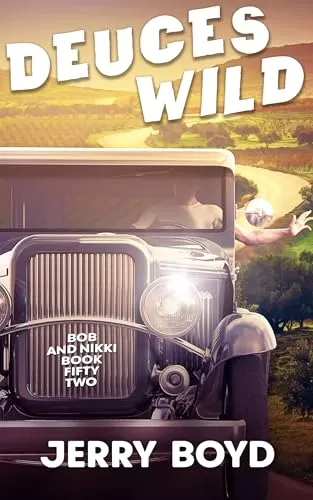
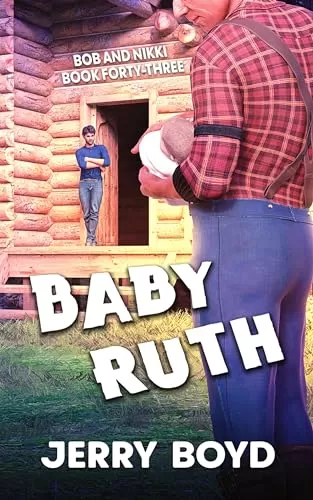
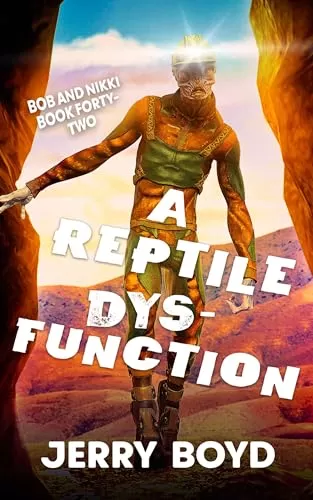
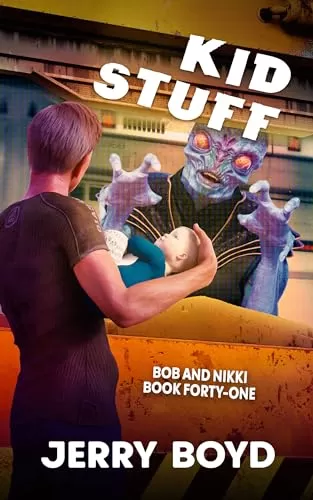
Deuces Wild 2024 Bob and Nikki #52 Baby Ruth 2024 ★ 8.0/10 1 anticipation rating Bob and Nikki #43 A Reptile Dysfunction 2024 ★ 10.0/10 1 ratings Bob and Nikki #42 Kid Stuff 2023 ★ 8.0/10 1 anticipation rating Bob and Nikki #41 The Butler Did It 2023 Bob and Nikki #40  Sheriff Bob 2023 Bob and Nikki #38
THE AUTHOR’S WORLDS