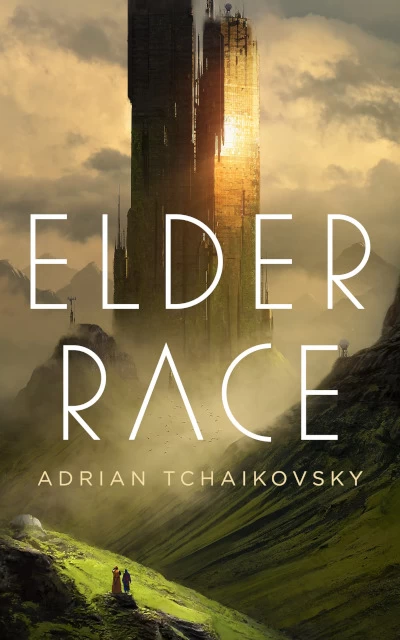
What looks like magic may simply be science viewed from the wrong side of history. On the distant colony world of Sophos 4, centuries of isolation have transformed forgotten human technology into legend, while an Earth anthropologist living high above the surface has become something far more complicated than an observer. To the people below, he is an ancient sorcerer. To himself, he is a scientist trying very hard not to interfere.
That uneasy divide between myth and reality gives this science fiction and fantasy series its distinctive character. Lost civilizations, inherited legends, advanced technology, and seemingly supernatural threats exist side by side, with different characters interpreting the same world according to what they believe is possible. When a young princess seeks the help of the mysterious figure she knows as the Elder Sorcerer, observation becomes intervention, and questions about culture, responsibility, identity, and the consequences of outside influence move to the heart of the story.
The perspective shifts are central to the experience. A situation that feels like a dark fairy tale to one character can look like a fascinating anthropological problem to another, creating an often unsettling contrast between fantasy adventure and science fiction. Beneath the humor and strange encounters is a more serious examination of how civilizations create myths from incomplete knowledge, and how easily a person can become a legend simply because nobody else possesses the vocabulary to explain what they are seeing.
The first story earned a 2022 Hugo Award nomination for Best Novella and was also shortlisted for the Ursula K. Le Guin Prize for Fiction. Its unusual approach has roots in Gene Wolfe's classic story "Trip, Trap," while its blend of anthropology, lost-colony science fiction, dark fantasy, and questions about cultural interference gives the series a character distinctly its own.
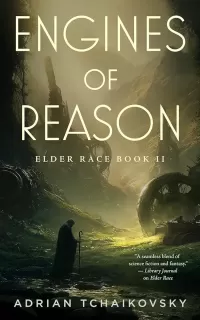
With Engines of Reason, the setting expands beyond the original encounter, introducing new characters and a wider conflict in which stories themselves shape identity and the distinction between science and magic becomes even less certain. Together, the books explore a recurring fascination: not whether magic is real, but how profoundly reality can change when people understand the same world in completely different ways.
Elder Race consists of two books and series is set to expand with the upcoming release of one more book. The current recommended reading order for the series is provided below.