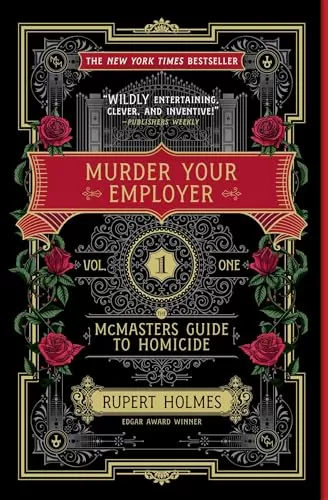
At first glance, the McMasters Conservatory might resemble any elite academic institution—ivy-covered walls, rigorous admissions, brilliant minds at work. But behind its genteel façade lies an education unlike any other: this is a school where the curriculum is murder, and the golden rule is simple—only kill those who truly deserve it.
Set in a world just one shade removed from our own, McMasters Guide to Homicide blends satirical sharpness with twisty plotting, offering a wickedly original spin on the traditional crime series. Here, would-be murderers are refined, not raw—taught to eliminate with elegance, ethics, and discretion. From forging untraceable poisons to mastering psychological manipulation, the students of McMasters aren’t just learning how to get away with it; they’re learning how to do it right.
The series unfolds with sly humor and a touch of theatrical flair, echoing the author’s background in mystery and stagecraft. The tone is darkly comic, with just enough noir to cast a long, intelligent shadow. What makes this world so compelling isn't just its premise, but its ability to walk the tightrope between parody and suspense—where the line between justice and vengeance is constantly redrawn.
Characters are not your average killers. They’re misfits, idealists, even romantics—drawn to the art of homicide not for power, but for purpose. And as the story delves deeper into the Conservatory’s secretive corridors, readers begin to question the very nature of morality, consequence, and control.
Witty, cerebral, and brimming with macabre charm, this series carves out a niche all its own in the realm of intelligent crime fiction. It's not about who did it—but how, why, and whether they truly deserved to die.